圖片由 AI輔助創作(Z-Image-Turbo)Image by AI (Z-Image-Turbo)
【鄭哥點評】
今日講一個人:謝鵬雄,36歲,做過海外零售經理,年薪百萬。2025年6月,佢裸辭,一個人走去汕頭澄海——全球一半塑膠玩具都係嗰度出——開檔做 TikTok Shop 全託管。
按報道,佢頭四個月幾乎零銷量,一個人守住間辦公室,凌晨四五點仲喺度選品、上架。到第五個月,一款軌道車突然爆,最高一日賣 2000 單;跟住黑五、聖誕一路燒到年底,下半年總共做咗 300 萬。
而家佢有 6 個人嘅團隊,計劃 2026 年 6 月正式註冊自己嘅品牌。講返轉頭,佢自己講咗一句:「後悔沒有早點離開大廠。」
我第一次睇完呢個故事,唔係諗「300 萬好犀利」,而係諗:佢頭四個月,點解撐得住?
第一點:選品地點,比選品本身更重要
圖片由 AI輔助創作(Z-Image-Turbo)Image by AI (Z-Image-Turbo)
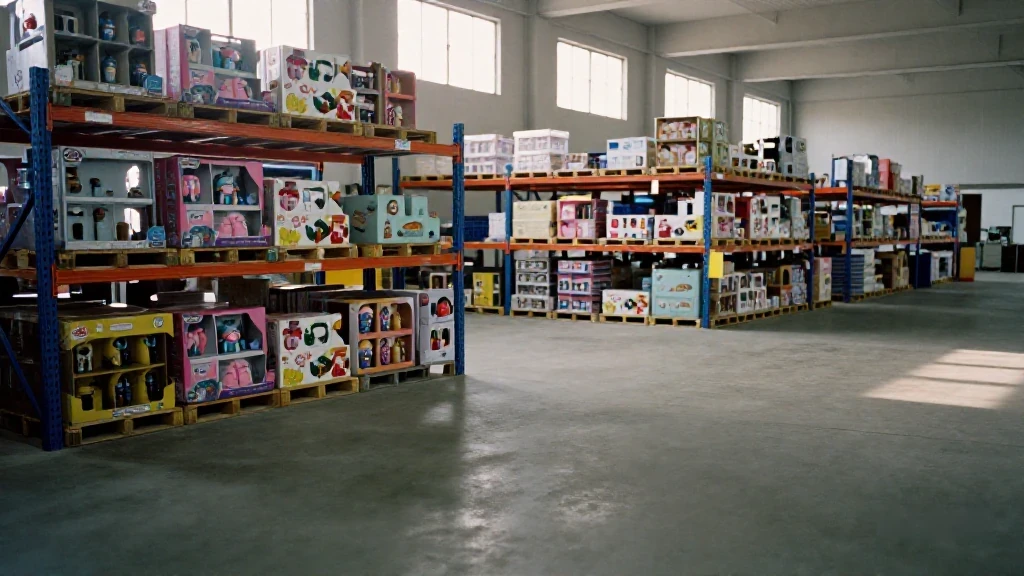
汕頭澄海係全球一半塑膠玩具嘅產地。佢喺產地做 TikTok Shop 全託管,工廠貨源就地取材,冇中間商。備貨成本、反應速度,兩樣都比外圍嘅人強太多。
呢個唔係運氣,係地理套利。貨喺你隔籬,同貨喺老遠運過嚟,係兩件事。
第二點:前四個月幾乎零銷量,呢個細節最值錢

圖片由 AI輔助創作(Z-Image-Turbo)Image by AI (Z-Image-Turbo)
好多人睇到「半年 300 萬」,第一反應係「我都想做」,然後做一個月冇單就收檔。佢前四個月幾乎零銷售,仲要凌晨四五點選品上架。
呢個細節最值錢,因為入面藏住一句說話:謝鵬雄心裡清楚自己等緊乜——等一款產品爆嘅節點。
電商有句老話:「訂單嚟之前,你要撐到訂單嚟嗰一刻。」撐唔住嘅,全部倒喺天光之前。
第三點:全託管,到底降咗咩門檻
圖片由 AI輔助創作(Z-Image-Turbo)Image by AI (Z-Image-Turbo)
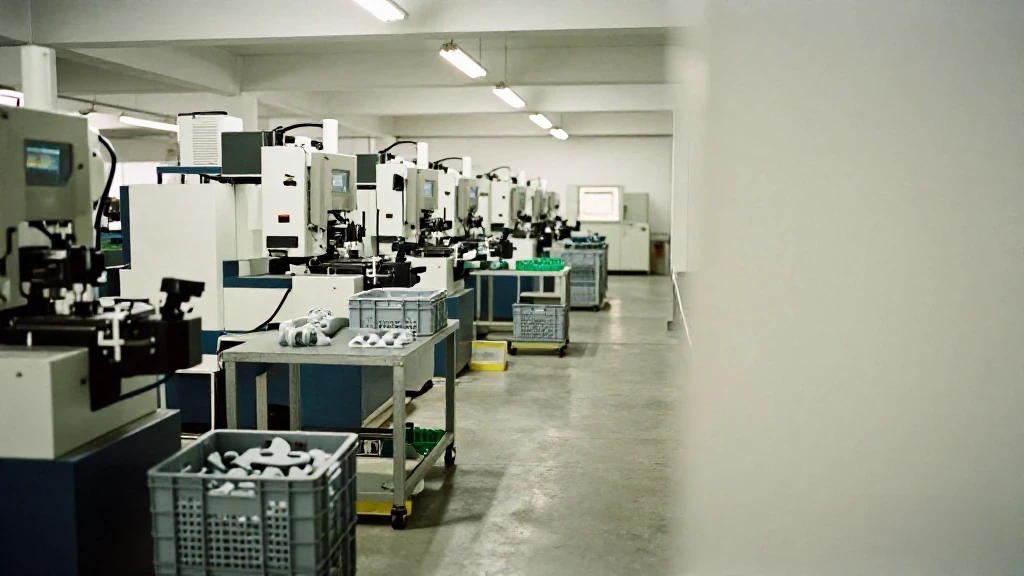
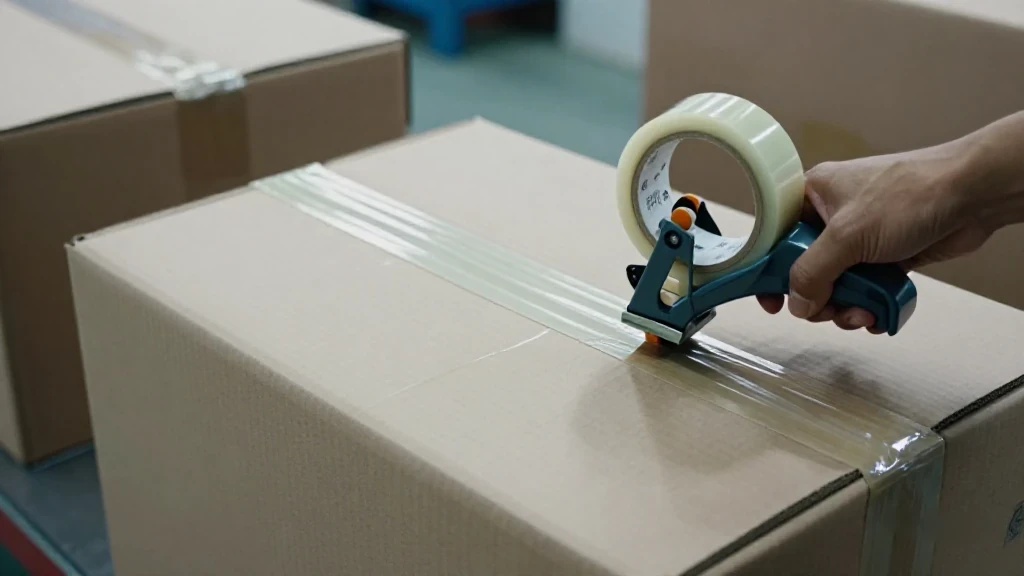
全託管嘅本質,係平台幫你營運、投放、客服,你只管備貨同上架。一個人,等於一個電商部門,營運成本低到唔合理。
但代價要講清楚:定價權喺平台手,利潤空間被壓縮,品牌資產沉澱喺平台,唔喺自己手。
所以佢計劃 2026 年 6 月註冊品牌。呢一步,先係真正嘅轉型節點:由「平台供應商」,行去「自有品牌商」。
第四點:「後悔冇早啲離開大廠」,最值得創業者記住

圖片由 AI輔助創作(Z-Image-Turbo)Image by AI (Z-Image-Turbo)
大廠俾你嘅係安全感,唔係你自己嘅能力。離開大廠嗰一刻,先係真正開始修煉自己嘅起點。
我做生意咁多年,見過唔少人把平台嘅光,當成自己嘅光。燈一熄,人就唔見咗。
呢條路嘅鏡鑒:
- 供應鏈喺產地,就係核心競爭力
- 電商嘅冷啟動期好難捱,撐唔住就唔好碰
- 全託管係過渡,品牌先係終點
- 輕資產、一個人起步,完全可行
個案係人哋嘅,數都係人哋嘅。但嗰四個月點撐,冇人幫到你。
資料來源:南風窗《我在小城市,一個人做電商,半年掙300萬》,2026年3月26日,網易號轉載(原文)。本文只引用該報道公開陳述的事實,其餘為鄭哥的個人觀察。
圖片由 AI輔助創作(Z-Image-Turbo)Image by AI (Z-Image-Turbo)
[Zheng Ge's Take]
Let me tell you about one person: Xie Pengxiong, 36, a former overseas retail manager earning a million a year. In June 2025 he quit outright and went to Chenghai in Shantou — where half the world's plastic toys are made — to sell on TikTok Shop under its full-managed model.
According to the reports, his first four months brought almost no sales. He sat alone in that office, still choosing products and listing them at four or five in the morning. In the fifth month a toy track car suddenly took off: 2,000 orders on its best day. Black Friday and Christmas carried it on, and the second half of the year came to three million.
He now has a team of six and plans to register his own brand in June 2026. Looking back, his own words were: "I regret not leaving the big company sooner."
When I finished reading it, I wasn't thinking "three million, impressive". I was thinking: how did he hold on for those first four months?
One: Where You Source Beats What You Source
圖片由 AI輔助創作(Z-Image-Turbo)Image by AI (Z-Image-Turbo)
Chenghai in Shantou makes half the world's plastic toys. He ran the full-managed model right there in the producing region: stock straight from the factories, no middleman. Both his inventory cost and his response time beat anyone working from outside.
That isn't luck. It is geographic arbitrage. Goods next door and goods a few hundred kilometres away are not the same business.
Two: Four Months of Almost Nothing — That Is the Detail Worth Money
圖片由 AI輔助創作(Z-Image-Turbo)Image by AI (Z-Image-Turbo)
Most people see "three million in half a year" and think, "I could do that" — then shut it down after a month without an order. He sold almost nothing for four months and was still choosing products and listing them at four or five in the morning.
That detail is worth money because it says one thing clearly: he knew what he was waiting for — the moment one product breaks.
There is an old line in e-commerce: "Before the orders come, you have to last until the orders come." Everyone who could not last fell just before dawn.
Three: What Does the Full-Managed Model Actually Lower?
圖片由 AI輔助創作(Z-Image-Turbo)Image by AI (Z-Image-Turbo)
Full-managed means the platform runs the operations, the ads and the customer service; you only stock and list. One person equals a whole e-commerce department, and the operating cost is unreasonably low.
But the price has to be said plainly: the platform holds pricing power, margins get squeezed, and the brand equity settles on the platform, not in your hands.
That is why he plans to register a brand in June 2026. That step is the real turning point — from platform supplier to owner of his own brand.
Four: "I Regret Not Leaving Sooner" Is the Line to Remember
圖片由 AI輔助創作(Z-Image-Turbo)Image by AI (Z-Image-Turbo)
A big company gives you a sense of security, not a set of skills. The day you leave is the day you actually start training yourself.
I have been in business a long time, and I have watched plenty of people mistake the platform's light for their own. The lamp goes out and they go with it.
What this road shows:
- Supply chain in the producing region is the core advantage
- E-commerce has a hard cold start; if you cannot last, do not touch it
- Full-managed is a transition; a brand is the destination
- Starting light, alone, is entirely workable
The case belongs to someone else. So do the numbers. But nobody can carry you through those four months.
Source: I Run an E-commerce Business Alone in a Small City — 3 Million in Half a Year, Southern Window (南風窗), 26 March 2026, republished via NetEase (original). This piece cites only the facts the report states publicly; the rest is my own observation.