圖片由 AI輔助創作(Z-Image-Turbo)Image by AI (Z-Image-Turbo)
【鄭哥點評】
海陸豐薄餅,講嘅係海豐、陸豐一帶嘅做法。呢塊餅,重點唔係餡,係皮——薄到透光,捲得起菜,又唔漏汁。海豐屬於汕尾市;不過呢篇寫嘅地方,我就照叫海豐。皮係骨架;不過講落去你就知,最花工夫嘅,其實係餡。
以前呢塊餅要等:等立夏,等屋企人齊,等有人肯動手。而家唔使等——想食,落街有,落單都有。呢篇想講清楚嘅,係中間嗰幾十年,到底變咗啲乜。
一團麵,兩塊皮
圖片由 AI輔助創作(Z-Image-Turbo)Image by AI (Z-Image-Turbo)
薄餅嘅皮,係麵粉做嘅。舊時鄉下叫「麥粉」,同今日講嘅麵粉係同一樣嘢。冇花巧:粉、水,加一雙手。
呢度要講清楚:下面呢套擀皮嘅手法,係陸豐東海嘅做法。海豐、陸豐各有各做,唔完全一樣;我唔會當東海就係海豐。
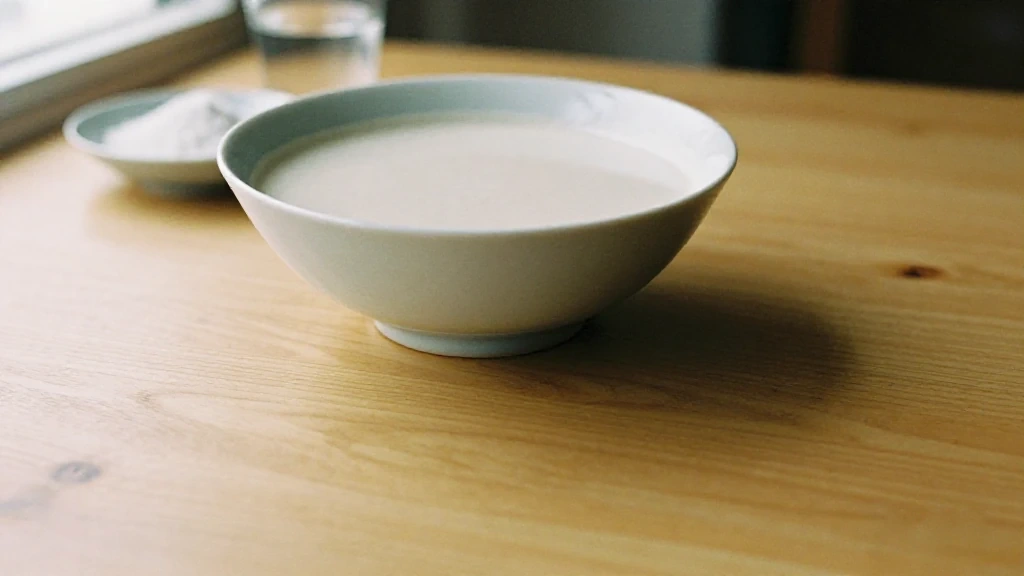
東海嘅做法唔開漿。麵粉加水,搓成一團,搓到唔黐手、唔裂,放埋一邊醒一陣。呢團麵,就係一塊皮嘅全部。
醒好之後,麵團搓成一粒粒丸,一粒一粒壓扁,面頭刷一層豆油。然後兩塊合埋一齊——係兩塊,唔係一塊——用麵棰擀到薄。兩塊一齊擀,皮先至薄得勻,又唔會半路擀穿。
擀好放落鼎裡烙。烙熟趁熱撕成兩塊:一塊變兩塊,兩塊都要完整。撕嘅時候要輕手,撕爛咗冇得補。撕好放鐵盆,面頭蓋一塊白粿布,唔俾風吹到乾。
一擀一烙,同市場嗰種快
圖片由 AI輔助創作(Z-Image-Turbo)Image by AI (Z-Image-Turbo)
自家擀嘅皮,韌、有麥香,捲得起重餡。但你要有時間:搓、醒、擀、烙、撕,一步都走唔甩。一家幾口嘅薄餅,企喺廚房就係半日。
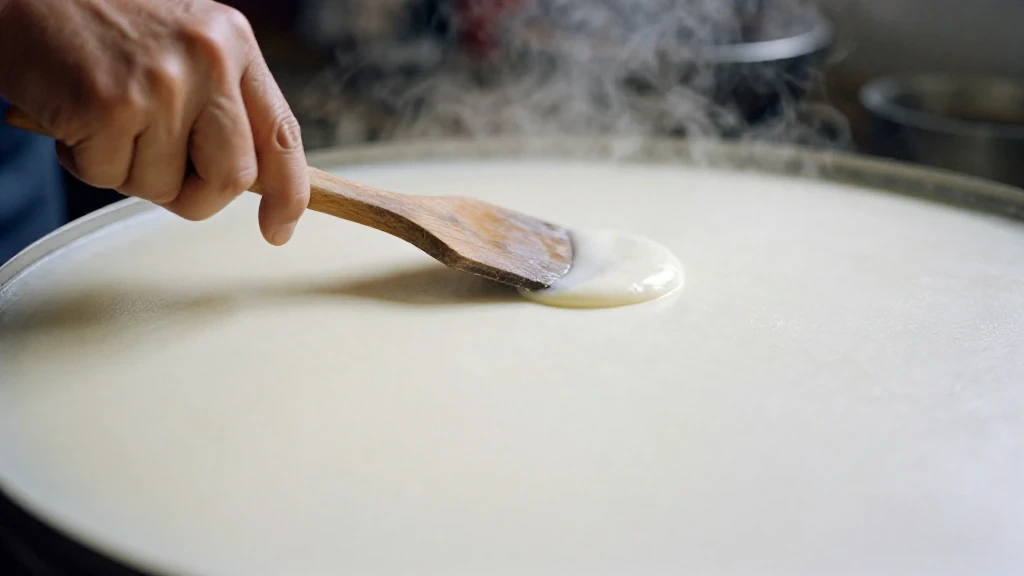
市場上賣嘅現成皮,走另一條路:麵粉開成漿,倒落一塊燒熱嘅鐵片,用手磨挲,或者用刮板刮薄,加熱成形。一塊接一塊,快好多。
快有快嘅代價。漿皮軟,少咗擀出嚟嗰種韌;捲濕少少嘅餡,就好易穿。食慣自家皮嘅人,一咬就知分別。
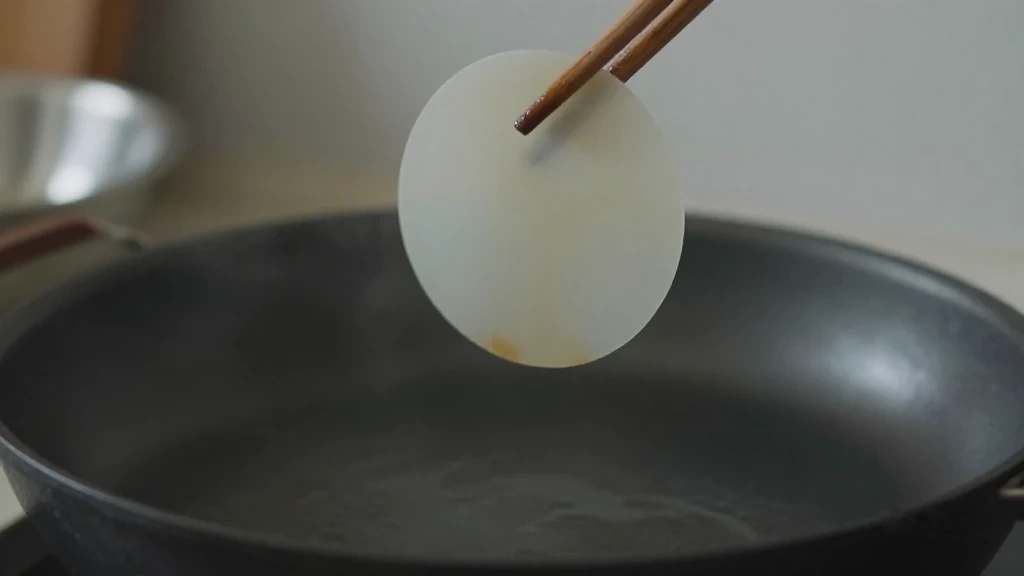
我喺二馬路見過做呢一步嘅人。佢哋唔用尺,用手指同手掌去感覺:厚少少,加一拖;薄到透,收手。一塊皮得唔得,唔使食都知——拎起一角,對住光,睇得見對面,仲要成塊都拎得起,唔穿、唔爛。
餡要一樣一樣咁做
圖片由 AI輔助創作(Z-Image-Turbo)Image by AI (Z-Image-Turbo)
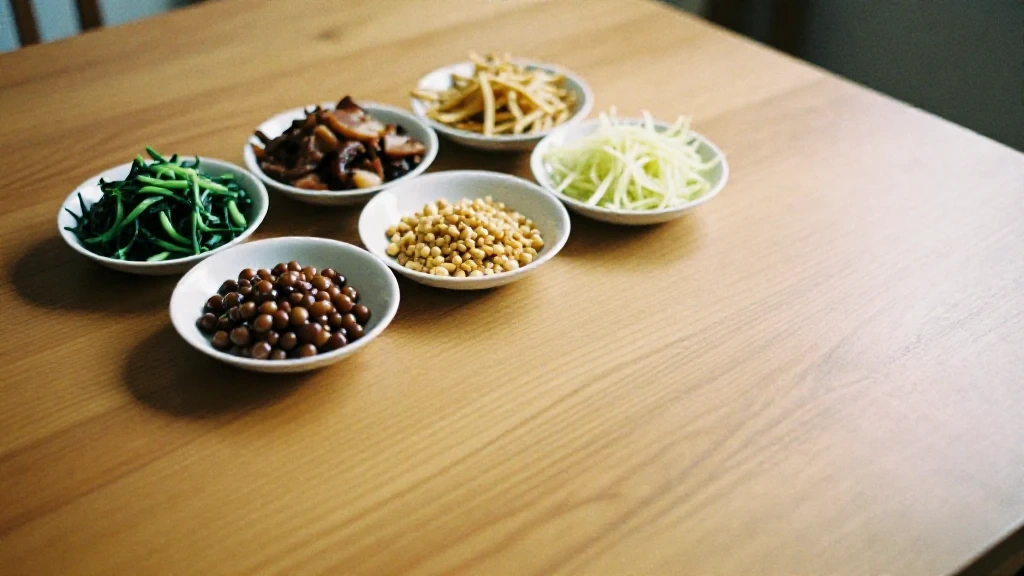
傳統東海嘅餡,來來去去都係嗰幾樣:蝦仁、瘦豬肉、白豬肉、豆芽、豆干、蔥仔、菜脯絲、雞蛋條。擺上檯係幾隻細碗,想食邊樣多啲,自己揀。
呢幾樣,冇一樣係買返嚟就咁擺得。雞蛋要煎好,切成條;菜脯要整條切成一節一節,再批開幾層,切成絲;蝦要一隻一隻掰殼。三樣夾埋,就係一整個上晝。
瘦豬肉同白豬肉,一瘦一肥,兩樣都要。炒到收水、香氣出嚟,切細,再同其他餡一齊擺上檯。
炒得乾身好重要。餡帶水,皮好快軟塌,一捲就爛——寧願炒乾少少,都唔好貪濕。
捲都有手勢。兩塊皮連著鋪喺檯面,放餡,兩手抓住兩邊,一路收一路捲。方言叫「高4」。要捲得結實、好睇、唔漏——我第一次捲,係外父捉住我隻手教嘅。
新加嘅餡,同唔敢講嘅一句
圖片由 AI輔助創作(Z-Image-Turbo)Image by AI (Z-Image-Turbo)
而家嘅薄餅,餡多咗好多:青瓜、土豆絲、大蒜、火腿腸、香菜、胡蘿蔔、洋蔥;調味仲有白糖同橙膏。
有人話,加咗呢啲,就唔再係正宗傳統嘅東海薄餅。我唔敢講——但有一樣我講得死:我屋企食薄餅,到今日都係保持以前嗰幾樣餡。
新嘢唔一定差,舊嘢亦唔一定最好。不過有啲味道,係要你試過新嘅,先知道舊嘅一直喺度。
由立夏,到想食就食
圖片由 AI輔助創作(Z-Image-Turbo)Image by AI (Z-Image-Turbo)
立夏食薄餅,係海陸豐嘅一種風俗;唔同鄉鎮,薄餅各有特色。成件事,就係由呢條風俗開始。
再早啲,鄉下仲有一種「麥鋪」:用麥粉煎成薄薄嘅皮,放上豆芽、花生,捲起就食,同薄餅好相似。
以前食一次薄餅,係一件大事。自家做皮、炒幾樣菜、掰蝦殼,費工費時;小家庭做到一半就氣餒,望住檯上嘅料「望餅興嘆」,最後都係等立夏,去外家蹭一餐。
後來市場有現成皮,方便咗一截。深圳有專賣店,要打電話預約,去到仲要排一個多鐘;做皮嘅中年婦女半夜三更就起身做,講一句「請人,我就給他們打工了」——手勢係自己嘅,請人做就唔係嗰回事。
再後來有人網購專用電鍋,諗住喺屋企自己做,操作唔理想。冷凍嘅北方皮都試過:一包十塊,蒸八分鐘,方便,但口感唔同。東門市場有陸豐人開檔,隨到隨買,總算係一條中間路。
而家,蝦一年到晚都有,有人送活蝦上門;薄餅可以即點即送,同快餐一樣。
一句到尾
圖片由 AI輔助創作(Z-Image-Turbo)Image by AI (Z-Image-Turbo)
原文有一句我抄低咗,大概係咁講:以前話,立夏食薄餅;而家食薄餅,唔在乎咩時間,只要想食就食。
變嘅唔係味道,係門檻。以前要等一個節氣,等一家人齊,等有人肯掰嗰一碗蝦;而家一個電話搞掂。
同一塊皮,包得住立夏,都包得住日常。分別只係:以前一年一次,而家你想幾時就幾時。有時我會想返嗰種要等嘅味道——唔係餡畀你,係個「等」字畀你。
圖片由 AI輔助創作(Z-Image-Turbo)Image by AI (Z-Image-Turbo)
[Zheng Ge's Take]
Hailufeng thin pancake means the way it is made around Haifeng and Lufeng. With this one the point is not the filling, it is the skin: thin enough to see through, and it will hold vegetables without letting the juice through. Haifeng belongs to Shanwei; but the place this piece is about, I will keep calling Haifeng. The skin is the frame; though as you read on you will see that most of the work ends up in the filling.
It used to be something you waited for: for Lixia, for the family to be in, for someone willing to do the work. Not any more — want one, and there is a stall, an order, a delivery. What this piece is about is the decades in between.
One Dough, Two Skins
圖片由 AI輔助創作(Z-Image-Turbo)Image by AI (Z-Image-Turbo)
The skin is made of wheat flour. In the villages they called it mak fan, wheat flour — the same thing we buy today. Nothing clever in it: flour, water, a pair of hands.
One thing I should say plainly: the rolling method below is the way they do it in Donghai, in Lufeng. Haifeng and Lufeng each have their own way and they are not identical; I am not going to pass Donghai's off as Haifeng's.
In Donghai they do not make a batter. Flour and water are kneaded into a dough, worked until it does not stick and does not crack, then left to rest. That dough is the whole of the skin.
Once rested, the dough is rolled into balls, each ball pressed flat, the top brushed with a little bean oil. Then two of them are put together — two, not one — and rolled thin with a rolling pin. Rolled as a pair, the skin comes out even and does not tear halfway through.
Then into the wok to bake. While it is still hot you peel the pair apart: one sheet becomes two, and both have to stay whole. Peel gently; a torn sheet cannot be mended. The skins go into a tin basin, a piece of white rice-cloth over them so the air does not dry them out.
Roll, Bake — and the Market's Shortcut
圖片由 AI輔助創作(Z-Image-Turbo)Image by AI (Z-Image-Turbo)
A hand-rolled skin has chew and smells of wheat, and it will carry a heavy filling. But it costs you time: knead, rest, roll, bake, peel. Half a day in the kitchen for one family's pancakes.
The ready-made skins sold in the market take another road: flour mixed to a batter, poured onto a hot iron plate, smeared by hand or thinned with a scraper, set by the heat. One after another, far quicker.
Speed has a price. A batter skin is soft; it has not got that chew, and a slightly wet filling goes straight through it. Anyone who grew up on a home-rolled skin can taste the difference at the first bite.
I have watched this step being done on Erma Road. No ruler: fingers and palm. A little thick, one more drag; thin enough to see through, stop. You know whether a sheet is any good before you eat it — lift one corner, hold it to the light, see through it, and still hold the whole sheet up without a hole or a tear.
The Filling Is Made One Thing at a Time
圖片由 AI輔助創作(Z-Image-Turbo)Image by AI (Z-Image-Turbo)
The traditional Donghai filling comes down to the same few things: shrimp, lean pork, white pork, beansprouts, dried tofu, spring onion, shredded preserved radish, strips of omelette. On the table it is a row of small bowls; you take more of what you like.
Not one of them is bought ready and put straight out. The eggs are fried and cut into strips. The preserved radish is cut into sections, split into layers, then shredded. The shrimp are shelled one by one. Those three together are a whole morning.
Lean pork and white pork, one lean and one fat, and you want both. Fried until the water is gone and the smell comes up, cut fine, then set out with the rest.
Dryness matters. A wet filling softens the skin fast and the roll falls apart — fry it a little drier rather than a little wetter.
Rolling is its own skill. Two skins laid out joined together, filling on top, both hands taking the edge and folding it over and over. The local word for it is "gou 4". It has to be tight, neat, and it must not leak — the first one I ever rolled, my father-in-law put his hand over mine to teach me.
What Has Been Added, and One Thing I Will Not Say
圖片由 AI輔助創作(Z-Image-Turbo)Image by AI (Z-Image-Turbo)
Today's filling has grown a great deal: cucumber, shredded potato, garlic, ham sausage, coriander, carrot, onion — and among the seasonings, white sugar and orange paste.
Some people say that once you add those, it is no longer a proper traditional Donghai pancake. I could not say — and I will not pretend that I can. But one thing I will say flatly: at our table the pancake still keeps to the same few fillings it always had.
New is not automatically worse, and old is not automatically better. But some flavours you only understand once you have tried the new ones and found where the old one has been all along.
From Lixia to Whenever You Want It
圖片由 AI輔助創作(Z-Image-Turbo)Image by AI (Z-Image-Turbo)
Eating thin pancakes at Lixia is a custom in Hailufeng; every township does its own version, and the pancakes differ from place to place. I quote that straight, because the custom itself is where this whole thing starts.
Further back there was something in the villages called a mak pou: a thin skin fried from wheat flour, beansprouts and peanuts on top, rolled up and eaten — very close to the pancake.
Once, eating one was an event. Make your own skins, fry a few dishes, shell the shrimp — labour and hours. A small household would give up halfway, look at the ingredients and sigh, and wait for Lixia to go and eat at the in-laws'.
Then the market began selling skins and that took one load off. In Shenzhen there are shops that sell nothing else: you ring ahead, and you still queue for over an hour. The middle-aged women who make the skins are up at three in the morning; one of them said, "If I hired someone, I would be working for them." The touch is hers; hire a hand and it is not the same thing.
Later people bought dedicated electric pans, meaning to make them at home — it did not work well. Frozen northern skins were tried too: ten to a pack, eight minutes steamed, convenient, but the texture is not the same. In Dongmen market a Lufeng family keeps a stall and you can buy whenever you walk up, which is a fair middle road.
Now shrimp are there all year round, someone will deliver live ones to your door, and the pancake can be ordered and delivered like fast food.
In One Line
圖片由 AI輔助創作(Z-Image-Turbo)Image by AI (Z-Image-Turbo)
There is a line in the original I wrote down, more or less this: it used to be said that you eat thin pancakes at Lixia; now people eat them at no particular time — whenever they want one, they eat one.
What changed is not the taste. It is the threshold. It used to take a solar term, a full table, someone willing to shell that bowl of shrimp; now it takes one phone call.
The same skin holds Lixia and it holds an ordinary day. The only difference is this: once a year, and now whenever. Sometimes I miss the taste of the waiting — it did not come from the filling, it came from the wait.