【郑哥点评】

圖片由 AI輔助創作(Z-Image-Turbo)
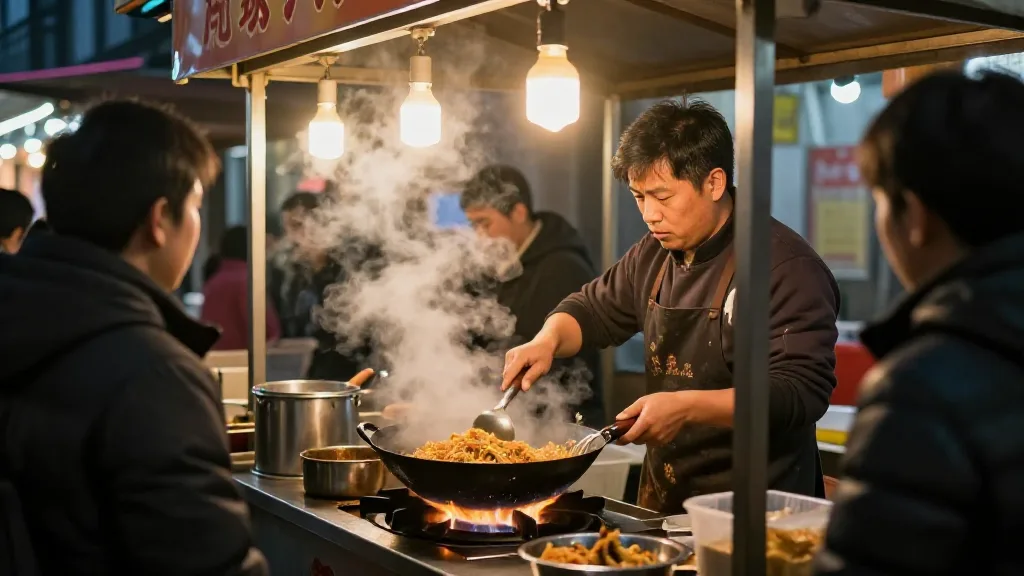
喺法國一個小鎮、11月9號,瞓唔着,我揸單車出去食宵夜。
呢條街好鬼旺,我嚟到幫襯開嘅炒河粉檔,坐低,叫咗個粉,十銀。老細好熱情,因為我日日嚟。食住食住,我靈光一閃,問老細:
「老細,我有個問題想問你。我而家做工冇咁忙,日日周圍飛,呢度睇嗰度睇。我對飲食好有興趣,成日喺屋企煮餸。如果我在你隔籬,喺呢個人流最多嘅宵夜檔,再開一個檔,專門做粥,我用所有嘅錢做五銀一份,成本三到四銀,隔籬啲人都賣十幾銀,你話我會唔會生意爆火?然之後嗰啲人冇生意,會唔會走埋嚟搞麻煩?」
老細笑:「梗係啦,你五銀點樣炒?」
我話:「我唔賺錢喎,我就係圖自己開心快樂,我把我所有嘅錢做嘅技能貢獻俾大家,分享俾大家。我一份炒粉成本三銀四銀,賣五銀,我唔賺人工,咩都唔算,我賺材料嘅錢,蝕本都可以做。」
老細仲喺度笑:「那你賺咩?」
我話:「我唔賺,我就係想圖開心,我技能可以實行到,我就開心。」
肥叔點評:五個破綻
圖片由 AI輔助創作(Z-Image-Turbo)
呢個兄弟,個腦已經轉起來喇。比好多日日嗌「生意難做」嘅人強。因為佢至少喺度睇、喺度問、喺度諗、喺度拆。但老細一路笑,都唔係笑佢儍,而係笑佢仲未算清灶頭前嗰本數。
第一:食材三到四銀,唔可以淨係算食材
食材三到四銀,賣五銀,睇住賺一銀。但石油氣、包裝、檔口、水電、損耗、城管、衛生、平台抽成、人工,全部都係錢。你自己嘅人工唔算錢,咁叫用愛發電。請人,一晚一兩百,100份每份攤兩銀,即刻蝕。低價可以,但低價背後必須有後端利潤。
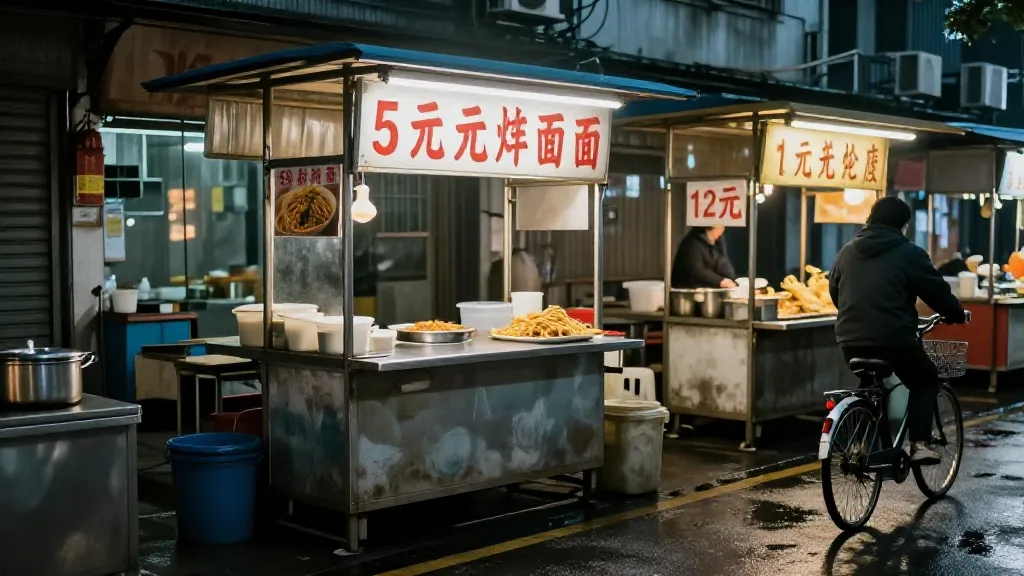
第二:1000份唔係嗌出嚟,係炒出嚟
圖片由 AI輔助創作(Z-Image-Turbo)
一份炒粉一兩分鐘,1000份幾十個鐘,一個煲一個人做唔晒。宵夜兩三個鐘,能賣100到200份已經好犀利。規模靠出餐速度、備料、動線、人手、供應鏈。先唔好諗一萬份,先諗一晚100份穩唔穩。
第三:低價引流,可能只引嚟薅羊毛
你賣五銀,隔籬賣12銀,客人嚟,但可能淨係買五銀,食完就走。真正健康嘅係:五銀粥粉當魚鈎,8到12銀小食、嘢飲、加料當利潤款。靠後端賺錢,唔係靠蝕本賺熱鬧。
第四:流水唔等於利潤,更唔等於金融嘅錢
資本睇毛利、回頭率、標準化、團隊、合規,增長、退出。你燒錢燒出流水,可能淨係燒出虧損。蜜雪冰城唔係蝕本賣檸檬水,佢靠供應鏈、規模採購、加盟體系同品牌,單杯有毛利。你淨係睇到便宜,冇睇到背後嗰套數。
第五:唔好喺人哋隔籬貼住臉賣五銀
呢個唔係商業,係結仇。人哋冇生意,真係可能嚟搵你麻煩。轉位置、轉時段、轉品類,或者做線上內容,唔好用低價砸同行個鍋。
如果係我,我會咁樣幹

圖片由 AI輔助創作(Z-Image-Turbo)
- 先擺一週快閃,淨係做一個品類,限量100份,每晚兩鐘
- 算清單份成本:食材、石油氣、包裝、檔口、人工、損耗
- 設計組合:五銀引流款 + 十銀利潤款
- 記錄:售罄時間、回頭率、客單價、毛利、耗時、投訴
- 連續七日數據好,再談擴第二檔;數據唔好,蝕嘅錢當廣告費,及時收手
結論

圖片由 AI輔助創作(Z-Image-Turbo)
創業唔係冇機會,係好多人淨係睇到「生意難做」,冇睇到「罅隙喺邊」。生意難做,難嘅係用老辦法做老生意;機會好搵,好嘅係用新腦袋切老罅隙。
低價係魚鈎,唔係飯碗;流量係入口,唔係利潤;數據係路標,唔係終點;計劃係地圖,唔係枷鎖。
先跑通一家店,再談一千家;先算清一碗粉,再談金融嘅錢。
想創業嘅人,唔好睇唔到希望。希望唔喺天上,喺街頭,喺灶頭,喺人哋笑你之後你仲能不能把數算明白。
Image by AI (Z-Image-Turbo)
In a small French town, November 9th, I couldn't sleep, so I rode my bike out for a late-night snack.
The street was buzzing. I went to my usual fried rice noodle stall, sat down, ordered a plate — ten yuan. The vendor was warm and friendly because I came every night. As I ate, inspiration struck, and I asked:
"Boss, I've got a question. I've been traveling less lately, seeing different places everywhere. I'm passionate about food, cooking at home all the time. What if I set up right next to you, at the busiest night market spot, serving congee? I use all my capital to make it five yuan per serving, costs me three to four yuan, everyone else nearby charges twelve or more. Would my business explode? And then, when they lose business, will they come cause me trouble?"
The vendor laughed: "Of course — but how can you sell at five yuan?"
I said: "I won't make money — I'm just doing this for my own joy. I contribute my skills to everyone, share with everyone. My cost per plate is three to four yuan, I sell at five, I don't count my labor, I don't count anything — I just make money on ingredients, I can even operate at a loss."
The vendor laughed again: "So what do you earn?"
I said: "I don't earn anything. I just want happiness. When my skills can be put to use, that's what makes me happy."
Five Blind Spots
Image by AI (Z-Image-Turbo)
This guy's mind is already turning. Compared to those who just complain "business is hard" every day, he's already ahead — because he's at least observing, asking questions, thinking, and dissecting. But the vendor kept laughing, not at his foolishness, but at how he still hasn't counted the costs in front of the stove.
One: Ingredients Cost Three to Four Yuan — But That's Not All
Ingredients at three to four yuan, selling at five, looks like one yuan profit. But gas, packaging, stall fees, utilities, waste, inspections, platform commissions, labor — all cost money. Not counting your own labor isn't freedom, it's unpaid labor. Hiring help, even a hundred yuan per night, divided across 100 plates, adds two yuan per plate — instantly underwater. Low price is fine, but there must be back-end profit behind it.
Two: A Thousand Plates Can't Be Shouted Into Existence
Image by AI (Z-Image-Turbo)
One plate of fried noodles takes one to two minutes. A thousand plates is dozens of hours. One wok, one person, can't handle it. Late-night window is two to three hours. Selling 100 to 200 plates in that window is already impressive. Don't dream of ten thousand plates — first make sure 100 plates per night is stable.
Three: Low Price Attracts Bargain Hunters, Not Loyal Customers
You sell at five yuan, neighbors charge twelve. Customers come — but they might only buy the five-yuan item and leave. Real health is: five-yuan congee and noodles as the fishing lure, eight to twelve yuan sides, drinks, and add-ons as profit items.
Four: Revenue Is Not Profit, Let Alone VC Money
Investors look at gross margin, repeat purchase rate, standardization, team, compliance, growth, and exit. Burning money to generate revenue might just mean burning losses. Mixue Bingcheng doesn't sell lemonade at a loss — they make per-cup margin through supply chain, bulk purchasing, franchise system, and brand. You only saw the cheap price, not the system behind it.
Five: Don't Set Up Right Next to Someone and Undercut Them
This isn't business, it's making enemies. When neighbors lose business, they really might come cause you trouble. Change location, change time slot, change category, or go online — don't use low prices to smash a competitor's pot.
If It Were Me, Here's What I'd Do
Image by AI (Z-Image-Turbo)
- Run a one-week flash popup, one category only, 100 plates limit, two hours per night
- Calculate cost per plate clearly: ingredients, gas, packaging, stall fee, labor, waste
- Design the combo: five-yuan loss-leader + ten-yuan profit items
- Track: sellout time, repeat rate, average order value, margin, time spent, complaints
- If seven consecutive days of good data, talk about expanding to a second stall; if not, treat the loss as advertising, and stop in time
Conclusion
Image by AI (Z-Image-Turbo)
Entrepreneurship isn't without opportunity — it's that most people only see "business is hard," not "where is the gap?" Business is hard when you use old methods for old businesses; opportunity is real when you use a new brain to find old gaps.
Low price is a fishing hook, not a rice bowl; traffic is an entrance, not profit; data is a signpost, not a destination; a plan is a map, not a chain.
First run one store successfully, then talk about a thousand. First calculate one plate of noodles clearly, then talk about investor money.
For those who want to start a business — don't lose sight of hope. Hope isn't in the sky, it's on the street, at the stove, in whether you can still make the numbers add up after everyone laughs at you.