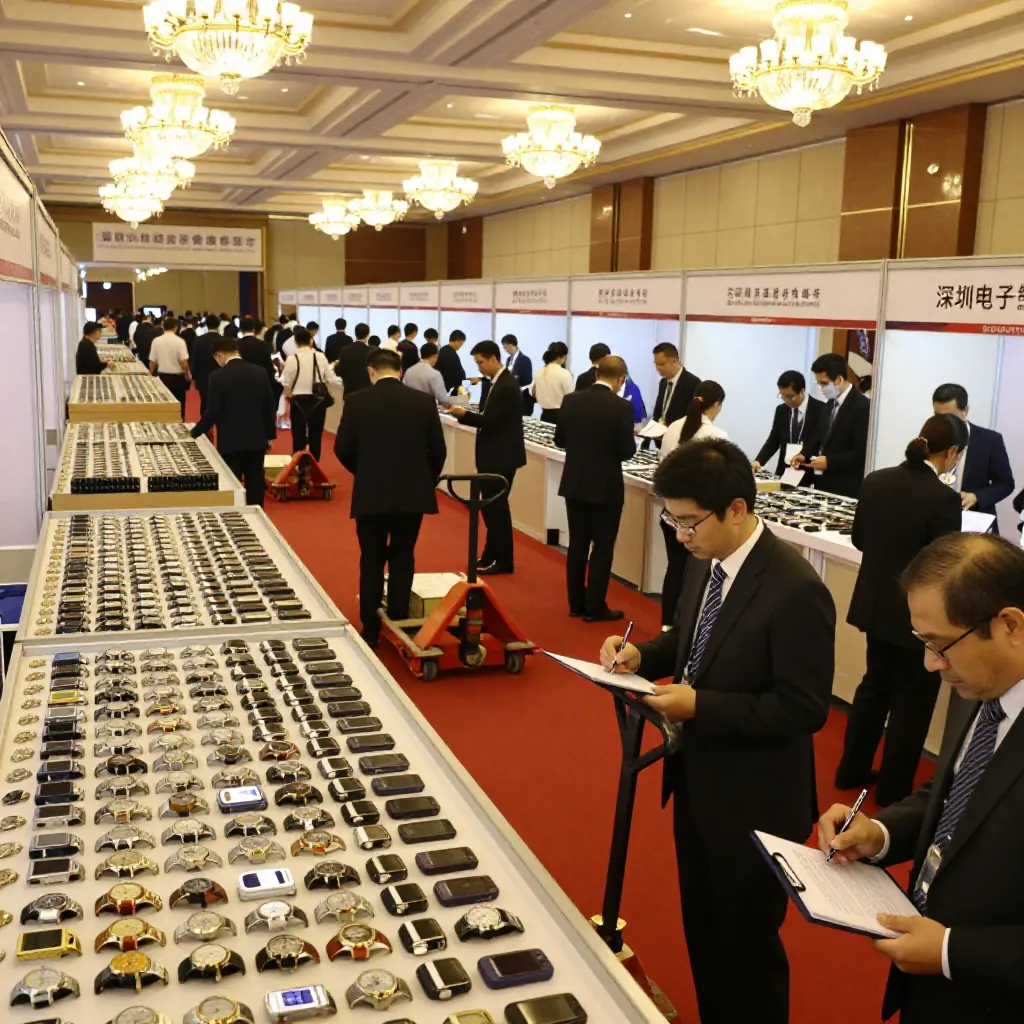
手機殼行業最有效嘅一句廣告詞,係「軍規防摔,1.8 米」。
呢句話之所以有效,係因為佢提供一個數字。客人聽完會覺得:有一個可以比較嘅標準,我買 1.8 米,好過買 1.2 米。
問題係,呢個數字通常唔係一個標準,只係一個宣傳。而且當中最常被引用嘅「軍規」——MIL-STD-810G——由頭到尾都冇講過「幾多米就安全」。
我哋自己嘅防摔系列(Shield)官網寫嘅係「2.4–2.8 毫米、32–38 克、對標 MIL-STD-810G、目標 1.2 米跌落」。呢幾個字我改過好幾次,最後刻意用「對標」同「目標」兩個詞。呢篇文就係解釋點解我唔敢寫「通過」。
一、MIL-STD-810G 究竟係乜
先講一個最基本、亦最多人搞錯嘅事實:MIL-STD-810G 唔係一張證書,係一份測試方法手冊。
佢係美國國防部喺 2008 年 10 月 31 日發布嘅環境試驗標準(後來喺 2019 年被 MIL-STD-810H 取代,呢一點我後面會再講)。佢嘅作用係:教人點樣去測——跌落、震動、高低溫、濕度、鹽霧、沙塵等等,每一種都有一個「方法」編號同程序。跌落係 Method 516.6,我哋引用嘅係裡面嘅 Procedure IV。
關鍵在於:呢份手冊從頭到尾都冇一個「合格線」。佢唔會話「通過就係合格產品」。相反,佢明確要求使用者要「剪裁」(tailoring)——即係由採購方自己決定:測邊幾項、用乜嘢嚴苛程度、用乜嘢條件、以及最緊要嘅:「過關」嘅定義係乜。
所以「通過 MIL-STD-810G」呢句話,資訊量係零,除非你同時知道三樣嘢:
- 邊份測試計劃?(測乜、唔測乜)
- 邊個做?(第三方實驗室,定係品牌自己喺辦公室做)
- 過關定義係乜?(殼唔爛?手機唔爛?屏幕唔裂?內部零件功能正常?)
冇呢三樣,「軍規」兩個字就等於「我用過一份出名嘅文件」。而且因為冇任何機構負責發證、冇中央名冊可以查,任何品牌都可以印「MIL-STD-810G」喺包裝上,唔需要事先做過任何測試。呢個係制度上嘅事實,唔係我對同業嘅指控。
二、516.6 Procedure IV 實際上做咩
Procedure IV 有個好誠實嘅名:Transit Drop——「運輸跌落」。顧名思義,佢模擬嘅係一件設備喺運輸、搬運、上落貨嘅過程中被撞跌,唔係模擬你喺樓梯企跌手機。
公開資料對呢個程序嘅描述大致係:
- 跌落次數:26 次。要覆蓋 8 個角、12 條邊、6 個面——8 + 12 + 6 = 26。呢個就係「26 次」嘅來源。
- 撞擊面:常見描述係 2 吋厚嘅夾板,下面墊混凝土。即係話,唔係直接落石屎,中間有一層木板——木板會吸收一部分能量。
- 高度:標準內嘅高度係按試件嘅重量同尺寸分級列表決定。手機殼呢個重量級,行業最常引用嘅數字係 122 厘米(48 吋)。我哋官網寫「1.2 米」就係由呢度嚟。
- 樣品:有業界拆解指出,標準容許用最多五件樣品去分擔呢 26 次跌落。呢一點我未能夠喺標準原文逐字核對,所以我當佢係「業界講法」——但如果成立,即係同一件樣品可能只跌咗幾次,累積損傷就測唔到。
呢度仲要講一句更尷尬嘅:Procedure IV 嘅試件,好多時係連包裝(或者運輸箱)一齊跌嘅。因為佢本來就係測「運輸」。你部手機喺你手上,唔會有個紙箱。
講到呢度,你應該明白點解我唔敢寫「通過」。我哋寫嘅係:對標 810G 嘅測試條件,設定 1.2 米跌落為工程目標。呢個係我對自己嘅要求,唔係一張證書。

三、一個真實案例:英國 ASA 對 Mous 嘅裁定(2024 年 4 月)
如果你只記得呢篇文嘅一段,請記呢段。因為呢個案例係公開、有官方文件、而且細節極具教育意義。
2024 年 4 月 3 日,英國廣告標準局(ASA)就一宗針對手機殼品牌 Mous 嘅投訴作出裁定,結果係投訴成立(Upheld),個案編號 A23-1216884。
廣告講咗乜
涉事係一個 2023 年 10 月 15 日播出嘅電視廣告。廣告入面有人講:
「50 個人⋯⋯用 Mous 殼掟佢哋部手機⋯⋯嚟啦。」
然後畫面顯示幾十個人同時將手機掟上半空,鏡頭跟住手機,之後手機落地,各人執返部機檢查,發現冇壞、仲開得着,眾人一副鬆一口氣嘅表情。
ASA 查咗啲乜
ASA 嘅裁定書有幾段,我建議你自己去讀原文。以下係最關鍵嘅事實:
- 關於「50 個人」:ASA 寫明——「在廣告嘅 50 名參與者中,大部分演員係 Mous 嘅員工、朋友同家人,另外有三位係收錢嘅演員」。因此 ASA 認為呢個測試唔係獨立進行,畫面亦唔代表一個客觀嘅損傷研究。
- 關於「冇壞」:測試記錄有記錄屏幕同機背外殼、鏡頭、電源/音量鍵嘅外觀同功能,但手機冇被拆開檢查內部損傷。ASA 認為內部損傷會影響功能,所以資料不足以證明「冇明顯損壞」。
- 關於三份跌落測試報告:第一份根本冇用手機,只測殼本身嘅損傷,所以同「保護手機」嘅宣稱無關。第二、三份係 26 次跌落、高度 120 厘米、跌喺大理石(下面墊混凝土)上面,過關門檻寫住「手機應可正常運作、只有最少外觀損傷」。
- 關於高度:ASA 指測試高度明顯低於廣告展示嘅情境,所以就算報告顯示殼保護到手機,都唔足以支持「可以承受比廣告更高嘅衝擊」嘅印象。
- 關於測試項目唔齊:ASA 指出有啲影響手機功能嘅項目未測——包括震動、藍牙、麥克風、Face ID 同 Touch ID、以及 NFC(流動支付)。
結論
ASA 判定廣告誇大產品效能、屬於誤導,違反 BCAP 規則 3.1(誤導)、3.9(舉證)同 3.12(誇大)。處理結果:廣告唔可以以原本形式再播,Mous 被告知唔可以誇大效能,並且必須持有支持其宣稱嘅測試數據。
仲有一點值得留意:呢個廣告事先係經 Clearcast(英國電視廣告審查機構)批准嘅。即係話,事前審查都放行咗,最後仍然被裁定違規。呢件事證明「有審查」唔等於「有證據」。
呢個案例教買家啲乜
- 「好多人一齊掟手機都冇事」唔係證據。參與者係邊個,決定咗件事係測試定係表演。
- 宣傳用嘅高度,同測試用嘅高度,可以差好遠。廣告拍到好似掟上三層樓高,測試報告係 120 厘米。
- 「手機冇壞」呢句話,取決於你點定義「冇壞」。冇拆機、冇測震動/藍牙/NFC,同「完全正常」係兩件事。
- 要睇報告係唔係真係測咗手機。第一份報告只測殼——殼冇爛,唔代表手機冇事。
- 監管機構會追究,但係事後。你可以靠廣告賣兩年,然後收一封裁定書。作為買家,你唔可以等監管。
四、跌落嘅物理:高度唔係最重要嘅數字,「停止距離」才係
呢一節係技術核心。我想講清楚一件大部分宣傳都避開嘅事:決定手機受幾大力嘅,唔係跌落高度,而係佢用幾長距離停低。
第一步:計落地速度。由高度 h 自由落下,速度大約係 v = √(2gh)。
- 0.7 米(枱面高度):約 3.7 m/s
- 1.2 米(我哋嘅目標):約 4.85 m/s
- 1.8 米(行業常用宣傳):約 5.9 m/s
第二步:一部 200 克嘅手機,以 4.85 m/s 落地,動能大約 2.4 焦耳。呢 2.4 焦耳一定要有人食。
第三步,亦係最關鍵嘅一步:停低嘅距離越短,受力越大。平均減速度 a = v² / (2s),力 F = m × a。以下係我用一部 200 克手機、1.2 米跌落計出嚟嘅估算(平均值,唔係峰值):
| 停止距離 | 平均減速度 | 平均受力 | 相當於 |
|---|---|---|---|
| 0.5 mm | 約 2,400 g | 約 4,700 N | 約 480 公斤力 |
| 1 mm | 約 1,200 g | 約 2,350 N | 約 240 公斤力 |
| 2 mm | 約 600 g | 約 1,180 N | 約 120 公斤力 |
| 5 mm | 約 240 g | 約 470 N | 約 48 公斤力 |
| 10 mm | 約 120 g | 約 235 N | 約 24 公斤力 |
睇呢個表,你會明白兩件事:
第一,厚唔等於保護。如果一個厚殼內部係硬嘅、只係得 1 毫米形變,佢同一個薄殼嘅分別可能只係 600 g 同 1,200 g——兩者都足以打爛玻璃。真正有用嘅係「有幾多形變空間」,唔係「外殼幾厚」。
第二,為咩角落位特別危險。力量係要分散嘅。手機正面落枱,力會分散到整個背面;但角位落地,同樣嘅能量擠喺幾平方毫米,局部應力可以高幾十倍。呢個就係點解工程上要專門做「護角」,而唔係單純加厚背板。
仲有一點要講:呢個表講嘅係「平均」。真實撞擊嘅峰值力可以係平均值嘅兩三倍以上——因為停止過程中,材料通常係越壓越硬。所以呢啲數字嘅用途係「比較」同「理解原理」,唔係「預測你部手機會唔會爛」。
五、點解工程幾何重要過整體厚度
如果你睇完上面明白「形變空間」係關鍵,咁以下每樣設計你都知佢做乜。呢啲係我哋 Shield 嘅設計邏輯,亦係我最想同人講嘅部分。

- 氣囊護角(air-cushion corners)。角位內部留空腔,跌落嘅時候有空間塌縮變形,將衝擊力由「硬碰硬」變成「先變形」。呢個係整個設計最重要嘅一項。
- 鏡頭加高。我哋芳綸系列 +0.8 毫米、皮革系列 +1.0 毫米。目的唔係美觀,係令鏡頭唔會成為第一個接觸點。鏡頭玻璃一花,整部機嘅價值就跌。
- 屏幕加高。手機正面朝下放枱面,如果玻璃直接碰到枱面,咁個殼就冇保護到最貴嘅一面。你可以自己試:正面朝下放喺枱上,睇玻璃有冇觸底。
- 硬質背板。硬背板嘅作用係將點狀衝擊分散成面狀——力學上叫分散載荷。軟背板會跟住變形,反而令衝擊集中喺一點。
- 柔性內框(TPU)。呢個就係「吸收派」嘅角色:硬背板負責分散,軟邊框負責吸收。單靠任何一邊都唔得。
- 側邊防滑。最有效嘅防摔設計,其實係令你唔跌手機。摩擦力係真實功能,唔係手感描述。
- 磁石陣列同結構。三個系列都用 N52 磁石陣列對齊充電線圈。磁石本身係剛性嵌入件,佢喺結構上同時扮演「局部加硬」嘅角色——呢個係工程上可以計算嘅事,唔係巧合。
呢度要講一個取捨:我哋冇把 Shield 做到 4 毫米、60 克。技術上做得到,但結果會係一部你唔想拎出街嘅手機。我哋揀嘅係 2.4–2.8 毫米、32–38 克——喺「日常可以接受」同「有一個合理形變空間」之間嘅位置。呢個係產品決定,唔係技術極限,我承認。
六、我哋講乜,唔講乜
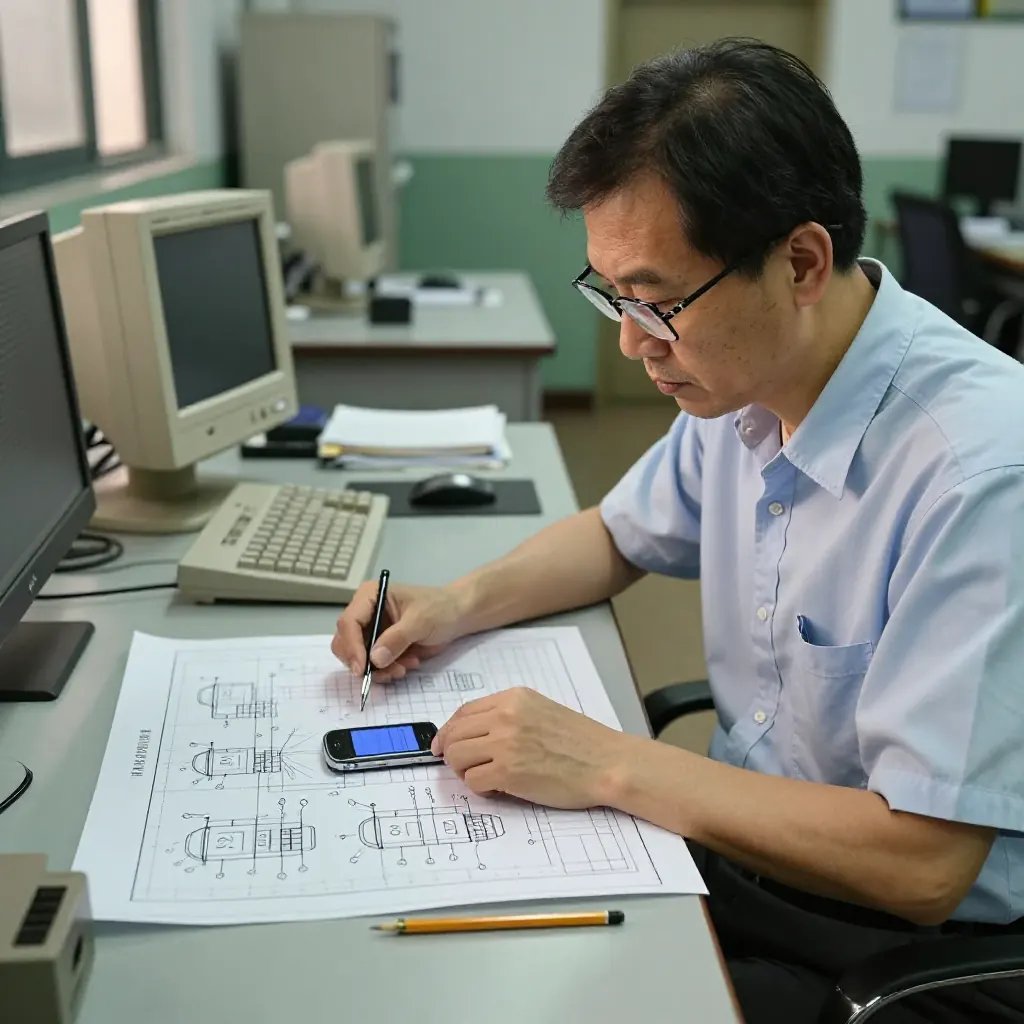
講清楚,因為呢個行業太多相反嘅做法。
我哋有講嘅:
- 防摔系列厚度 2.4–2.8 毫米、重量 32–38 克。
- 結構:氣囊護角、鏡頭加高、屏幕加高、硬質背板、柔性內框。
- 以 MIL-STD-810G(Method 516.6, Procedure IV)嘅測試條件作對標,1.2 米跌落係我哋嘅工程目標。
我哋冇講嘅(亦唔應該講):
- 我哋冇寫「通過 MIL-STD-810G」。正如第一節講,呢句話本身冇定義;而且我哋目前未有公開嘅第三方實驗室報告可以擺出嚟。冇報告就寫「通過」,就係我自己批評過嘅事。
- 我哋冇承諾「手機唔會爛」。任何一個敢咁承諾嘅品牌,你應該問佢點解唔保你部手機。
- 我哋冇用「軍規」兩個字做賣點。「軍規」係一個描述測試來源嘅詞,唔係一個效能等級。
- 我哋冇講 1.8 米或者 2 米。如果有一日我哋寫,前提係有一份可以公開指名嘅實驗室報告,而且測試條件寫得清清楚楚。
1.2 米呢個目標,覆蓋咩?粗略講,係「由手度跌落地」同「由枱面撞落地下」呢類日常高度——企喺度用電話(手部大約 1.2 至 1.5 米),或者手機由枱邊滑落(大約 0.7 米)。
覆蓋唔到嘅:
- 樓梯度、上格床、梯子。2 米以上,衝擊力唔係線性增加,係按高度乘上去。
- 柏油路、碎石、瓷磚邊。表面越硬越尖,接觸面積越細,局部應力越高。木板加混凝土同瓷磚係兩件完全唔同嘅事。
- 被物件撞到。被車輾、被人踩、被門夾——呢啲唔係自由落體,力度可以大一個數量級。
- 低溫。部分塑膠喺低溫下會變脆、抗衝擊能力下降。冬天跌手機同夏天跌手機唔係同一個測試。
- 你部手機之前已經跌過。內部結構可能已經有微損,同全新機唔同。
七、實用指南:判斷任何一個殼嘅防摔宣稱,問七條問題
呢七條適用於任何品牌,包括我哋。
- 邊間實驗室做?報告編號係乜?答唔到,就當冇測過。呢個係最有效嘅一條。
- 試件係手機,定係殼?Mous 個案嘅第一份報告只測殼。殼冇爛唔等於手機冇事。
- 跌喺乜嘢表面?木板加混凝土?大理石?瓷磚?柏油?差距可以係幾倍。
- 幾高、幾多次、邊個角度?26 次覆蓋 8 角 12 邊 6 面係程序;廣告展示嘅情境係另一回事。要對得上。
- 「過關」嘅定義係乜?殼冇裂?屏幕冇裂?開得着?有冇拆機檢查內部?有冇測震動、藍牙、麥克風、NFC?
- 自己度幾何。用卡尺量鏡頭同屏幕加高幾多;用手指壓背板,睇係硬定軟;睇角位有冇空腔;反面朝下放枱面,睇玻璃有冇觸底。呢四樣,五分鐘做完,比任何宣傳可靠。
- 睇保養條款。如果品牌唔保你部手機,佢自己都冇打算為呢個宣稱負責。呢個唔係要求佢賠——係一個誠意嘅測試。
補一句:磅重同量厚係必要嘅,但唔係判斷保護力嘅方法。厚係成本,唔係保護。一個 3 毫米嘅硬殼,保護力可以差過一個 2.4 毫米而有護角空腔嘅殼。你真正要睇嘅係「衝擊有幾多地方可以去」。
八、810G 仲有幾十個方法,同點解大部分同你無關
跌落只係 MIL-STD-810G 其中一個方法。呢份手冊有幾十個方法,由高低溫、濕度、鹽霧、沙塵、震動、雨淋到真菌都有。
呢件事有兩個含義,一個對品牌有利,一個對你有利:
- 對品牌有利:可以講「符合多項 MIL-STD-810G 測試」,聽落好厲害,但每一項嘅嚴苛程度都可以剪裁。
- 對你有利:手機殼係一件貼身配件,大部分方法同你無關。你部手機唔會遇到鹽霧(除非你出海),唔會有黴菌測試(雖然香港潮濕,但黴菌測試係針對長時間高濕儲存),亦唔會受槍擊震動(method 519 呢類)。
如果一個手機殼品牌引用高溫測試(大約 501.5)、低溫測試(502.5)、濕度(507.5)、鹽霧(509.5)嚟做賣點,你應該問一句:「呢個測試嘅條件,同我日常使用有幾接近?」答案通常係:唔接近。呢啲方法係為軍用設備喺極端環境長期運作而設,唔係為咗你部電話放喺牛仔褲袋。
我哋只引用一個方法,就係跌落(516.6 Procedure IV)。原因唔係其他方法唔好,而係我唔想用一啲我自己都覺得無關嘅測試去堆砌可信度。
九、一個樣本,講唔到概率
呢一節係工程上最容易被忽略、亦最重要嘅一點。
「通過跌落測試」通常嘅意思係:「我哋搵咗一部或者幾部機,跌咗 26 次,冇壞。」
呢句話冇講嘅係:如果再生產一萬個,會有幾多個唔得?
用一部樣本做測試,統計上你只能講「至少有一部通過」,唔可以講「合格率 99%」。要知道合格率,你需要嘅樣本量係幾十至幾百部——呢個對手機殼品牌嚟講成本極高,所以行業普遍唔做。呢個係現實,唔係陰謀。
而且跌落測試嘅結果對「邊一部機」非常敏感:同一款殼,裝喺唔同機型上,重量分佈、相機模組凸出、機身剛度都唔同;甚至同一部機,玻璃邊緣有冇微裂,都會改變結果。
所以我對任何「通過測試」嘅正確理解係:「呢個設計經過一次合格嘅工程驗證」,唔係「呢個產品有某個防護保證」。兩者差好遠。
十、殼只係系統嘅一半
好多人以為「買咗好殼,手機就安全」。實際情況係:保護力係殼同手機一起決定嘅。
- 你部手機自己嘅剛度。玻璃三文治結構嘅手機,跌落時會彎曲;彎曲到某個程度,玻璃就裂。殼可以減少彎曲,但唔可以令手機變硬。
- 相機模組。現代手機嘅相機凸台係一個硬點。如果佢比殼嘅加高更高,跌落嘅時候佢就係第一個接觸點,所有能量集中喺一個鏡頭圈上。
- 玻璃邊緣。屏幕玻璃最弱嘅位置係邊緣(因為邊緣有微裂同應力集中)。角落跌落之所以最危險,就係因為佢直接打邊緣。
- 你嘅使用方式。同鎖匙放一齊、放喺後袋坐低、邊行邊用——呢啲行為造成嘅損傷,比一次跌落更多。
一句話:一個好殼可以令「原本會爛」變成「唔爛」,但改變唔到「本來就脆弱」嘅事實。如果有一個品牌同你講「裝咗就等於無敵」,佢係喺賣信心,唔係賣工程。
十一、自己試:唔用真機都測得到嘅嘢
如果你想親手驗,唔需要犧牲部手機。以下係我自己會做嘅步驟:
- 正面朝下放枱。玻璃有冇碰到枱面?屏幕加高幾多?用一疊紙或者卡尺量,最少要有 0.5 至 1 毫米嘅淨空。
- 背面朝下放枱(相機位)。鏡頭圈有冇觸底?同樣量淨空。
- 壓角落。用指腹用力壓四個角,感受下有冇「空腔」嘅彈性回饋。完全硬實嘅角落,衝擊冇地方去。
- 扭/拗測試(輕力)。雙手輕扭個殼,睇背板有幾硬。太軟嘅背板會令衝擊集中。
- 用替代品做跌落測試。如果真係想試,搵一部唔用嘅舊機,或者一塊同重量嘅木板(200 克左右),裝入殼,由枱面高度(0.7 米)跌喺硬地。睇嘅重點唔係「有冇爛」,而係殼邊有冇變形、角位有冇塌、之後仲可唔可以貼合手機。
- 記錄條件。高度、表面、角度、次數。冇條件嘅測試結果等於傳聞。
要講清楚:你自己做嘅測試,唔會等於實驗室測試——你冇標準件、冇夾具、冇量測儀器。但佢足以令你分辨「有認真設計」同「只是加厚」。
十二、三句話總結
第一句:MIL-STD-810G 係一份測試方法手冊,唔係一張證書,亦冇「合格線」。所以「軍規防摔」呢句話,要配「邊間做、測乜、過關定義」才有意義。
第二句:決定手機受幾大力嘅唔係高度,係停止距離。由 1 毫米變 5 毫米,平均受力由大約 240 公斤力跌到大約 48 公斤力——差距唔係靠加厚堆出嚟嘅,係靠結構設計。
第三句:我哋寫「對標」同「目標 1.2 米」,唔寫「通過」。因為到今日為止,我哋未有第三方報告可以指住佢講。你買之前應該知道呢件事——我寧願你因為知道而買,唔係因為相信而買。
三個系列嘅實際結構同數字,我唔喺度再重複。
The most effective line in the phone case industry is "military-grade drop protection, 1.8 metres".
It works because it supplies a number. The customer thinks: there is a standard I can compare against, and 1.8 m beats 1.2 m.
The problem is that this number is usually not a standard at all. It is advertising. And the standard most often borrowed for it — MIL-STD-810G — never states how many metres is safe.
Our own drop-protection range (Shield) is published as "2.4–2.8 mm, 32–38 g, referencing MIL-STD-810G, targeting a 1.2 m drop". I rewrote that line several times, and I deliberately kept the words "referencing" and "targeting". This article explains why I won't write "passed".
1. What MIL-STD-810G actually is
Start with the most basic fact, and the one most often got wrong: MIL-STD-810G is not a certificate. It is a test-method manual.
It is a US Department of Defense environmental test standard published on 31 October 2008 (later superseded by MIL-STD-810H in 2019 — more on that below). Its job is to tell you how to test: drops, vibration, high and low temperature, humidity, salt fog, sand and dust, and so on. Each has a method number and procedures. Drop testing is Method 516.6, and what we reference is Procedure IV.
The crucial point: the manual contains no pass line anywhere. It does not say "if it passes, the product is approved". On the contrary, it explicitly requires the user to tailor — that is, the procuring party decides which methods to run, at what severity, under what conditions, and most importantly, what "pass" means.
So "passed MIL-STD-810G" carries zero information unless you also know three things:
- Which test plan? (What was tested, and what was not.)
- Who ran it? (An accredited third-party lab, or the brand in its own office.)
- What was the pass criterion? (Case not broken? Phone not broken? Screen not cracked? Internals still functional?)
Without those three, "military-grade" means "I once used a famous document". And because no body issues a certificate and there is no central register to check, any brand can print "MIL-STD-810G" on a box without having tested anything at all. That is a structural fact about the standard, not an accusation against my competitors.
2. What 516.6 Procedure IV actually does
Procedure IV has an honest name: Transit Drop. As the name says, it simulates equipment being knocked over during shipping, handling and loading — not you dropping your phone on the stairs.
Public descriptions of the procedure broadly agree on the following:
- Twenty-six drops. Covering 8 corners, 12 edges and 6 faces — 8 + 12 + 6 = 26. That is where "26 drops" comes from.
- Impact surface: commonly described as a 2-inch plywood platform over concrete. So not straight onto concrete — there is a plywood layer that absorbs some of the energy.
- Height: the standard's heights come from a table graded by the weight and size of the test item. For the weight class a phone case falls into, the figure the industry most often quotes is 122 cm (48 inches). That is where our "1.2 m" comes from.
- Samples: industry write-ups say the standard permits up to five samples to share the 26 drops. I could not verify that word-for-word in the standard text, so I treat it as an industry reading — but if it holds, one unit may only be dropped a handful of times, which means cumulative damage goes untested.
There is one more awkward detail worth saying: under Procedure IV the test item is often dropped inside its transit case or packaging. That is the point — it is a shipping test. Your phone in your hand does not come in a cardboard box.
Which is why I will not write "passed". What we write is: we reference the 810G test conditions and set a 1.2 m drop as an engineering target. That is a standard I hold myself to, not a certificate.
3. A real case: the UK ASA ruling against Mous, April 2024
If you remember only one section of this article, remember this one. It is public, it has an official document behind it, and the details are unusually instructive.
On 3 April 2024, the UK Advertising Standards Authority (ASA) ruled on a complaint against the phone case brand Mous. The result was Upheld. Complaint reference A23-1216884.
What the ad claimed
The TV ad, seen on 15 October 2023, featured someone saying:
"50 people … throwing their phones in Mous cases … let's go."
Several people then threw their phones into the air at the same time, the cameras followed the phones mid-air, they landed, and the participants picked them up, checked them, found them undamaged and still working, and looked relieved.
What the ASA examined
The ruling runs to several pages and I suggest reading the original. These are the key findings:
- On "50 people": the ASA wrote that "of the 50 participants in the ad, the majority of the cast were comprised of Mous employees, friends and family, apart from three paid actors". Because of who took part and their association with Mous, the ASA concluded the test was not conducted independently and the footage did not represent an objective study of any damage.
- On "no damage": the test data recorded external damage to the screen, rear casing, camera and power/volume buttons, and whether those functions still worked. But the phones were not disassembled to check for internal damage. Since internal damage would affect functionality, the ASA found the data insufficient to show the phones had not been significantly damaged.
- On the three drop-test reports: the first report did not use a phone at all — it tested damage to the case itself, so it was irrelevant to claims about protecting phones. The second and third comprised 26 drops from a height of 120 cm onto marble backed by concrete, with an acceptance threshold stating that "the phone should perform correctly with minimum aesthetic damage".
- On height: the ASA found the test height was significantly lower than what the ad showed, so even where the reports showed the phones still worked, they did not substantiate the impression that the case could protect a phone from a harder impact than a consumer would likely need.
- On untested criteria: the ASA noted that functions affecting a phone's ability to work fully had not been tested — including vibration, Bluetooth, microphone, Face and Touch ID, and NFC for mobile payments.
The outcome
The ASA concluded the ad exaggerated the efficacy of the product and was misleading, breaching BCAP rules 3.1 (Misleading advertising), 3.9 (Substantiation) and 3.12 (Exaggeration). The action: the ad must not appear again in its current form, and Mous was told not to exaggerate the efficacy of its products and to hold test data supporting its claims.
One more detail worth noticing: that ad had been cleared in advance by Clearcast, the UK TV ad clearance body. Pre-clearance waved it through, and it was still ruled in breach. Clearance is not evidence.
What this teaches a buyer
- "Lots of people threw their phones and nothing broke" is not evidence. Who the participants are decides whether it is a test or a performance.
- The height in the ad and the height in the test can be far apart. The ad looked like a three-storey throw; the report said 120 cm.
- "The phone was fine" depends on how you define fine. No disassembly, no vibration, Bluetooth or NFC testing is a different thing from "fully functional".
- Check whether the report actually tested a phone. The first report tested only the case — the case surviving says nothing about the phone.
- Regulators do act, but afterwards. You can sell on an ad for two years and then receive a ruling. As a buyer, you cannot wait for the regulator.
4. The physics of a drop: height is not the key number — stopping distance is
This is the technical heart of the article, and it is the thing most marketing avoids: what determines the force on your phone is not the drop height. It is the distance over which it comes to a stop.
Step one: impact speed. Falling freely from height h, the speed is roughly v = √(2gh).
- 0.7 m (table height): about 3.7 m/s
- 1.2 m (our target): about 4.85 m/s
- 1.8 m (the industry's favourite claim): about 5.9 m/s
Step two: a 200 g phone landing at 4.85 m/s carries about 2.4 joules of kinetic energy. Those 2.4 joules have to go somewhere.
Step three, and the crucial one: the shorter the stopping distance, the larger the force. Average deceleration a = v²/(2s) and force F = m × a. Here is my estimate for a 200 g phone dropped from 1.2 m (averages, not peaks):
| Stopping distance | Average deceleration | Average force | Equivalent |
|---|---|---|---|
| 0.5 mm | about 2,400 g | about 4,700 N | about 480 kgf |
| 1 mm | about 1,200 g | about 2,350 N | about 240 kgf |
| 2 mm | about 600 g | about 1,180 N | about 120 kgf |
| 5 mm | about 240 g | about 470 N | about 48 kgf |
| 10 mm | about 120 g | about 235 N | about 24 kgf |
Two things fall out of that table.
First, thick is not the same as protective. If a thick case is rigid inside and only deforms 1 mm, it differs from a thin case mainly by being 600 g instead of 1,200 g — and both are enough to break glass. What matters is how much room there is to deform, not how thick the shell is.
Second, why corners are so dangerous. Force needs to be spread. Landing flat on the back spreads the load across the whole panel. Landing on a corner squeezes the same energy into a few square millimetres, where local stress can be tens of times higher. That is why engineered corner structures exist, instead of simply thickening the back panel.
One caveat: these are averages. Real peak forces can be two or three times higher, because materials usually get stiffer as they compress. So the table is for comparison and for understanding the mechanism. It does not predict whether your phone will survive.
5. Why engineered geometry matters more than overall thickness
If "room to deform" is the key, then each of the following design features has an obvious job. This is the logic behind our Shield, and it is the part I most want to explain.
- Air-cushion corners. Voids inside the corners give the impact somewhere to collapse and deform, turning a hard-against-hard collision into deformation first. This is the single most important element of the design.
- Raised camera lip. +0.8 mm on the aramid range and +1.0 mm on the leather range. The purpose is not looks; it is to stop the lens being the first point of contact. A scratched camera lens drops the whole phone's value.
- Raised screen lip. Put the phone face-down on a table. If the glass touches the table, the case is not protecting the most expensive surface. You can test this yourself in five seconds.
- A stiff back panel. Its job is to turn a point impact into a distributed load. A soft back panel deforms with the impact and concentrates force instead.
- A compliant inner frame (TPU). This is the absorber. The stiff panel spreads, the soft frame absorbs. Neither alone is enough.
- Grippy sides. The most effective drop protection is not dropping the phone. Friction is a real function, not a description of feel.
- The magnet array. All three ranges use an N52 magnet array aligned to the charging coil. The magnets are rigid embedded parts, so structurally they also act as local stiffening. That is something you can compute. It is not a coincidence.
And here is a trade-off I should admit: we did not make Shield 4 mm thick and 60 g. Technically we could. The result would be a phone you don't want to take out of the house. We chose 2.4–2.8 mm and 32–38 g — the point between "acceptable every day" and "enough room to deform". That is a product decision, not a technical limit, and I own it.
6. What we claim, and what we don't
Time to be explicit, because this industry mostly does the opposite.
What we do claim:
- Shield thickness 2.4–2.8 mm and weight 32–38 g.
- Structure: air-cushion corners, raised camera lip, raised screen lip, stiff back panel, compliant inner frame.
- We reference the MIL-STD-810G (Method 516.6, Procedure IV) test conditions, and a 1.2 m drop is our engineering target.
What we do not claim (and shouldn't):
- We do not write "passed MIL-STD-810G". As section one explains, the phrase has no definition on its own; and right now we have no published third-party laboratory report to show. Writing "passed" without one would be exactly the thing I criticise above.
- We do not promise your phone will not break. Any brand that does, ask it why it isn't insuring your phone.
- We do not use "military-grade" as a selling point. It describes where a test came from, not a level of performance.
- We do not claim 1.8 m or 2 m. If we ever do, the precondition is a laboratory report we can name publicly, with the test conditions written out in full.
What does the 1.2 m target cover? Roughly the everyday cases: a phone slipping out of your hand, or off a table. Standing and using a phone puts it about 1.2–1.5 m up; a phone sliding off a desk edge starts at about 0.7 m.
What it does not cover:
- Stairs, bunk beds, ladders. Above 2 m the impact energy rises with height, not linearly in consequence.
- Asphalt, gravel, tile edges. The harder and sharper the surface, the smaller the contact area and the higher the local stress. Plywood over concrete and tile are entirely different tests.
- Being hit by things. Run over by a car, stepped on, caught in a door — these are not free falls, and the forces can be an order of magnitude larger.
- Cold weather. Some plastics become brittle and lose impact resistance when cold. A winter drop is not the same test as a summer drop.
- A phone that has already been dropped. The internals may already carry micro-damage. It is not a new phone.
7. A practical guide: seven questions for any case's drop claims
These apply to any brand, including us.
- Which laboratory ran it, and what is the report number? If they can't answer, treat it as untested. This is the single most effective question.
- Was the test item a phone, or a case? The first report in the Mous case tested only the case. A surviving case says nothing about the phone.
- What surface did it land on? Plywood over concrete? Marble? Tile? Asphalt? The difference can be several times over.
- How high, how many drops, at what orientation? Twenty-six drops over 8 corners, 12 edges and 6 faces is the procedure. What the ad shows is a separate matter. They have to match.
- What was the pass definition? Case intact? Screen intact? Powers on? Was it disassembled to check internally? Were vibration, Bluetooth, microphone and NFC tested?
- Measure the geometry yourself. Use calipers on the camera and screen lips; press the back panel to feel stiff or soft; look for voids in the corners; put it face-down on a table and see whether the glass touches. All four take five minutes and beat any claim.
- Read the warranty. If a brand doesn't cover your phone, it isn't prepared to stand behind the claim. This isn't about demanding a payout — it's a sincerity test.
One addition: weighing and measuring are necessary, but they are not how you judge protection. Thickness is a cost, not protection. A 3 mm rigid shell can protect worse than a 2.4 mm shell with corner voids. What you are really looking at is how many places the impact has to go.
8. 810G has dozens of other methods, and most of them are irrelevant to you
Drop testing is only one method in MIL-STD-810G. The manual has dozens: high and low temperature, humidity, salt fog, sand and dust, vibration, rain, fungus, and more.
That has two implications — one that helps brands, one that helps you:
- It helps brands: a company can say it "complies with multiple MIL-STD-810G tests", which sounds impressive, while the severity of each is tailored.
- It helps you: a phone case is a personal accessory, and most of those methods have nothing to do with you. Your phone will not meet salt fog (unless you sail), it won't be tested for fungus (Hong Kong is humid, but fungus testing is about long-term damp storage), and it won't face gunfire shock (methods like 519).
If a case brand uses high-temperature testing (around 501.5), low-temperature testing (502.5), humidity (507.5) or salt fog (509.5) as a selling point, ask one question: "How close are those test conditions to my daily life?" The answer is usually: not close. Those methods were written for military equipment operating in extreme environments, not for a phone in a jeans pocket.
We reference exactly one method: drop (516.6 Procedure IV). Not because the others are bad, but because I don't want to build credibility out of tests I consider irrelevant myself.
9. One sample tells you nothing about probability
This is the most overlooked and most important point in the engineering.
"Passed the drop test" usually means: "we took one or a few units, dropped them 26 times, and nothing broke."
What that sentence does not say is: if we made ten thousand of these, how many would fail?
With one sample, statistics only allow you to say "at least one passed". You cannot say "99% pass rate". To establish a pass rate you need tens to hundreds of units — prohibitively expensive for a phone case brand, which is why the industry mostly doesn't do it. That is reality, not conspiracy.
Drop results are also very sensitive to which phone is inside. The same case on a different model has a different weight distribution, camera bump and body stiffness. Even the same phone with a micro-crack at the edge of the glass changes the outcome.
So the correct reading of any "passed the test" claim is: "this design went through one successful engineering verification" — not "this product carries a guarantee of protection". Those are very different statements.
10. The case is only half the system
Many people think "buy a good case and the phone is safe". In practice, protection is decided by the case and the phone together.
- Your phone's own stiffness. A glass sandwich phone flexes when it lands. Flex it far enough and the glass cracks. A case can reduce the flex; it cannot make the phone rigid.
- The camera module. On modern phones the camera bump is a hard point. If it sits proud of the case's raised lip, it becomes the first contact point and all the energy concentrates on one lens ring.
- The edge of the glass. The weakest part of a screen is its edge, where micro-cracks and stress concentration live. Corner drops are the most dangerous because they hit that edge directly.
- How you use it. Keys in the same pocket, sitting on it in a back pocket, using it while walking — those do more damage over time than a single drop.
In one line: a good case can turn "this would have broken" into "it didn't", but it cannot change the fact that some phones are fragile to begin with. If a brand tells you that fitting its case makes you invincible, it is selling confidence, not engineering.
11. Testing it yourself, without sacrificing a phone
If you want to check by hand, you don't need to risk a real phone. This is what I do:
- Face-down on a table. Does the glass touch? How much clearance is there? Measure with a stack of paper or calipers — you want at least 0.5 to 1 mm.
- Back-down on a table (camera side). Does the camera ring touch? Measure the clearance the same way.
- Press the corners. Push hard with a thumb on all four corners and feel for the springiness of a void. A fully solid corner has nowhere to send the impact.
- Flex it (gently). Twist the case lightly with both hands to judge the back panel's stiffness. A soft back panel concentrates impact.
- Use a stand-in for a drop test. If you really want to try, take an old phone you don't use, or a wooden block of similar weight (around 200 g), put it in the case, and drop it from table height (0.7 m) onto a hard floor. Don't look for "did it break" — look at whether the case edge deformed, whether the corners collapsed, and whether it still fits the phone afterwards.
- Record the conditions. Height, surface, angle, number of drops. A test without conditions is a rumour.
To be clear: your own test will never equal a lab test — you have no standard specimens, no fixture, no instrumentation. But it is more than enough to tell "seriously engineered" apart from "just made thicker".
12. Three sentences to finish
One: MIL-STD-810G is a test-method manual, not a certificate, and it contains no pass line. "Military-grade drop protection" only means something alongside who ran the test, what was tested, and what pass meant.
Two: What determines the force on your phone is stopping distance, not height. Going from 1 mm to 5 mm takes the average force from roughly 240 kgf down to roughly 48 kgf — and that comes from structure, not from piling on thickness.
Three: We write "referencing" and "targeting 1.2 m". We don't write "passed", because as of today we have no third-party report to point at. You should know that before you buy. I would rather you buy knowing, than buy believing.
I won't repeat the structure and numbers for the three ranges here.
順帶一提:HANDSOME 嘅防摔系列 Shield 就係用呢套幾何(氣囊護角、鏡頭加高、硬背板 + 柔性內框),2.4 至 2.8 毫米、32 至 38 克,數字都公開 →In passing: HANDSOME's Shield range uses this geometry — air-cushion corners, a raised camera lip, a stiff back panel over a compliant frame — at 2.4–2.8 mm and 32–38 g, with the numbers published → /handsome/