鄭哥,90年代大學畢業,26年橫跨電子,家電、服裝、珠寶、教育、AI算力多個行業。做過中學教師、翻譯、外贸,現在搞七善門科技和星辰算力。口頭禪:「點解唔得?」Hany, university grad from the 90s, 26 years across electronics, appliances, fashion, jewelry, education, and AI compute. Former teacher, translator, trader. Now running Qishanmen Tech and Star Compute. Catchphrase: "Why not?"
My fellow villager Ah-Keung, from our hometown in Shanwei, isn't the richest — but he's the most talked about.
Born in '69, he left home after junior high and worked odd jobs for over a decade. He didn't start e-commerce until his mid-30s.
He started on Taobao, selling everything — clothing, digital accessories, toys. He'd experienced explosive orders, and also inventory pressure that left him buried in debt. One year before Chinese New Year, news of his bankruptcy reached our hometown. His old mother cried all night at home.
Then he served six years.
During that time, his father passed away. Ah-Keung couldn't return to say goodbye.
When he got out, he was 35.
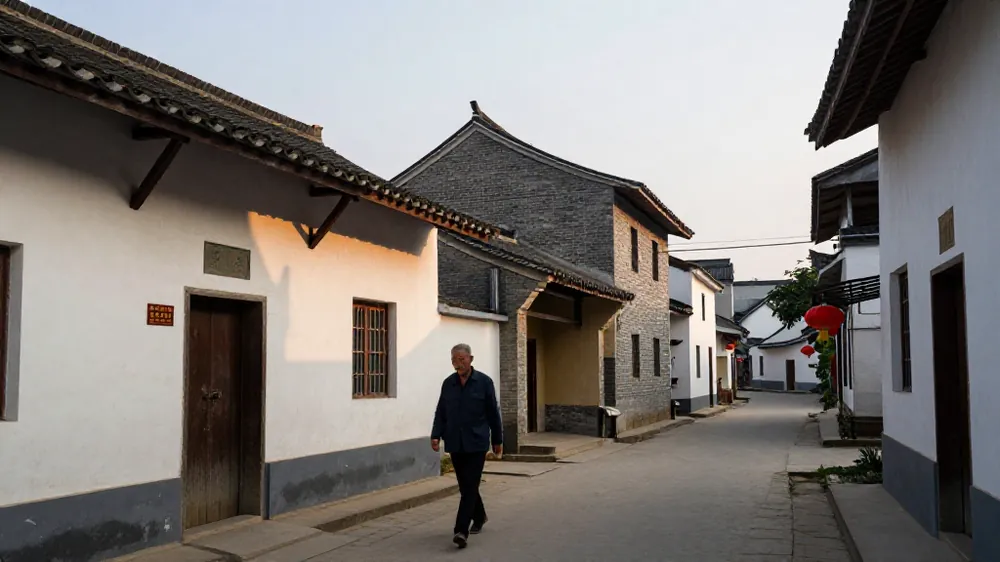
場景一:汕尾老家Scene 1: Shanwei hometown — where Ah-Keung grew up Image AI-assisted (Z-Image-Turbo)
Act 2: Half a Year After Release — The Whole Village Gossiped
After his release, he went back to our hometown.
Ah-Keung did one thing that shocked the entire village —
He married a 25-year-old woman who worked at a bank. Beautiful, she'd already bought an apartment in the city and drove a car worth over two hundred thousand. No bride price, no gold jewelry, no nothing from her side. Their wedding had over fifty tables, all paid for by the bride's family.
Add it all up — at least a million or more in value.
The whole village talked: What does Ah-Keung have going for him? A man who'd been to prison, penniless — on what grounds?
Act 3: What Did Ah-Keung Rely On — No One in Our Village Knew
Everyone in our village had their own version.
Some said: "Ah-Keung knows lawyers, knows lots of people. After getting out, he used connections to meet lots of women."
Some said: "Ah-Keung knows how to leech off women. A professional gigolo."
Some said: "Ah-Keung won the lottery."
Ah-Keung never explained himself.
I asked him: "How did you manage to get back on your feet so fast?"
He smiled and said: "Zheng Ge, what's fated will come eventually."
場景二:城市夜景——中年回望Scene 2: City night view — mid-life reflection Image AI-assisted (Z-Image-Turbo)
Act 4: As We Age — We Gradually Believe in Fate
Ah-Keung is now in his mid-50s, stable career, kids on both sides — meaning a son and a daughter.
What he says all the time now: "When you hit middle age, you can't help but believe in fate."
I understand what Ah-Keung means by this —
He's not saying we should sit and wait for fate to arrive.
He's saying: when you see people around you, no matter how hard-working, how smart, their endings are worlds apart; when you see people who are incredibly clever, incredibly diligent, but still end up buried in debt; while some people, seemingly muddling through, always seem to meet贵 人 at critical moments.
You start to believe: there's a hand in this world, not entirely within your control.
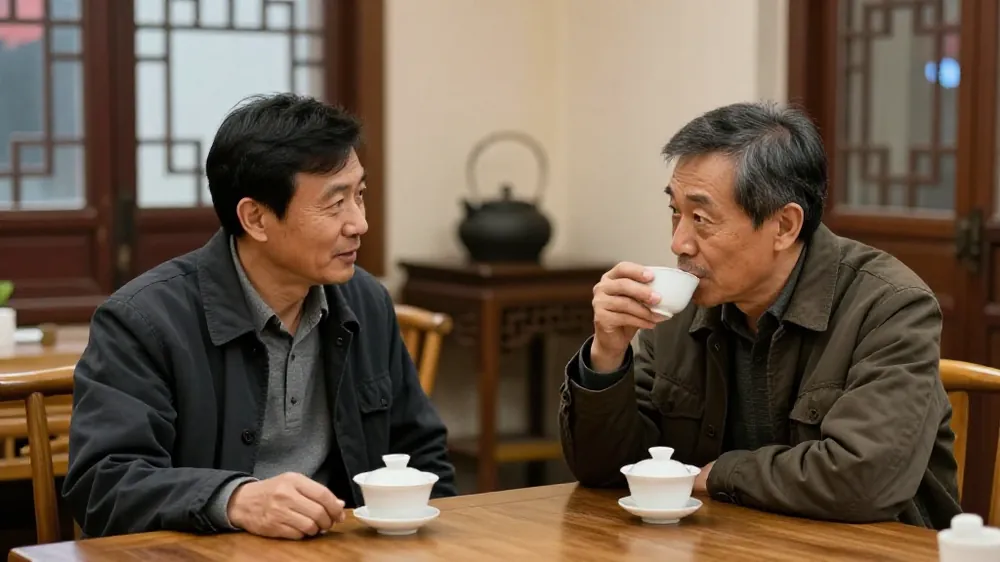
場景三:老友喝茶——「命裡有時終須有」Scene 3: Old friends drinking tea — "what's fated will come" Image AI-assisted (Z-Image-Turbo)
Act 5: Fate vs. Effort — Which Matters More?
I don't fully agree with Ah-Keung, but I understand him.
I know a Chaoshan businessman who said something I've remembered ever since:
"My achievements today are 30% effort, 70% luck. But I would never tell anyone outside that my success is only 30% effort — because that would make me look stupid."
Over 20 years in e-commerce, I've seen too many people —
Some caught the wind and even pigs could fly; some worked themselves to death but stepped on a platform crackdown and one shot brought them back to square one.
Some with average abilities, but honest in business, moving step by step, ended up stable and secure.
Some with great abilities, but overly greedy, leveraged up, and one day just collapsed.
Zheng Ge's Three Points
Point 1: Fate is part of it, but not all of it. Ah-Keung's story isn't saying you should sit and wait for luck. It's saying: when you've given your all and the result still isn't ideal, don't blame yourself too much. There's randomness in this world, luck, variables beyond our control. Accept this fact, but don't give up on effort.
Point 2: Wealth is temporary, credit is long-term. After Ah-Keung got out, he could get married within half a year — not because of luck, but because of the connections and credit he'd accumulated before. After getting out, someone was willing to help him, someone was willing to marry him — that's not fate, that's the social capital he built up through how he treated people.
Point 3: "Believing in fate" isn't passive — it's enlightened. When elderly people say "believe in fate," they're not telling you to surrender. They're saying: learn to accept that some things are beyond our control. What we can control is our own effort and attitude. Do your best, then listen to heaven — this is the truest reflection from an old trader's many years.
One-Line Summary
Ah-Keung's story tells us: in middle age, believing in fate isn't admitting defeat — it's choosing to keep going after seeing clearly how the world operates. In e-commerce, ups and downs are normal. Luck is part of it. But persistence, character, building credit — these are what we can control.
關於作者About the Author
鄭哥,90年代大學畢業,26年橫跨電子,家電、服裝、珠寶、教育、AI算力多個行業。做過中學教師、翻譯、外贸,現在搞七善門科技和星辰算力。口頭禪:「點解唔得?」Hany, university grad from the 90s, 26 years across electronics, appliances, fashion, jewelry, education, and AI compute. Former teacher, translator, trader. Now running Qishanmen Tech and Star Compute. Catchphrase: "Why not?"