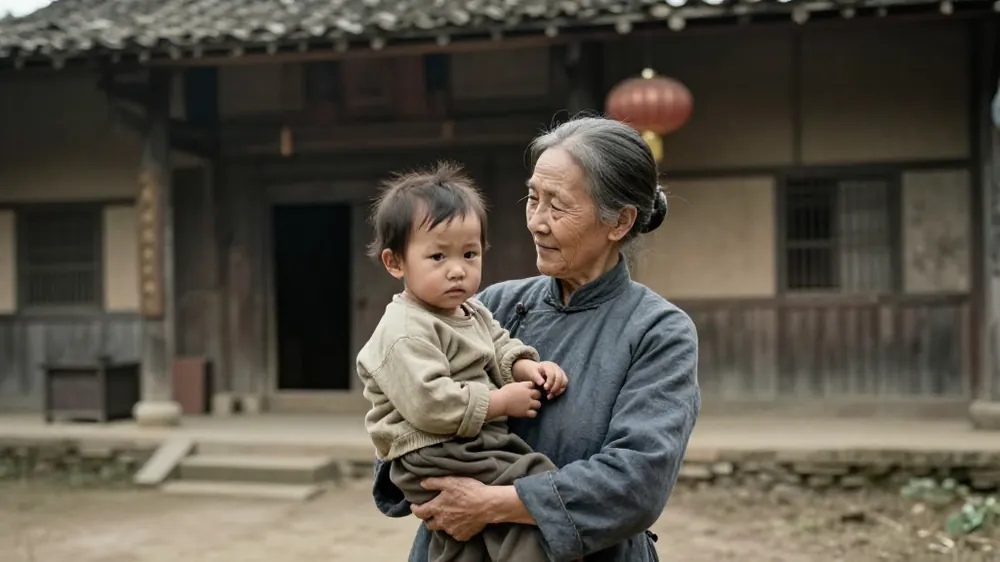
歷史場景:1940年代潮汕人離鄉,搭船赴香港、澳門、南洋Historical scene: 1940s Chaoshan people leaving for Hong Kong, Macau, Southeast Asia 圖片由 AI輔助創作(Z-Image-Turbo)
寫喺最後
我今日寫呢篇,唔係為咗揭傷疤,而係為咗記住。
記住先輩捱過嘅苦,珍惜而家可以食飽飯嘅日子。
一粒米,來得不容易。
關於作者About the Author
鄭哥,90年代大學畢業,26年橫跨電子、家電、服裝、珠寶、教育、AI算力多個行業。做過中學教師、翻譯、外贸,現在搞七善門科技和星辰算力。口頭禪:「點解唔得?」Hany, university grad from the 90s, 26 years across electronics, appliances, fashion, jewelry, education, and AI compute. Former teacher, translator, trader. Now running Qishanmen Tech and Star Compute. Catchphrase: "Why not?"
Today online, I came across this topic — "The Pain of 1943: The Forgotten Chaoshan Famine — Those Forgotten Histories."
As someone from Shanwei, my grandparents both lived through that era. Since I was small, I heard the elders talk about "the bandit years" or "when a single grain of rice cost more than gold" — but I never looked into it deeply.
Today I researched seriously, and discovered: this is not a story. It is our ancestors' collective trauma.
Historical Background: What Actually Happened in the Chaoshan Region in 1943?
In 1943, the Chaoshan region — now Shantou, Chaozhou, Jieyang, and Shanwei — experienced an extremely severe famine.
Casualties: Historical research estimates the death toll at conservatively tens of thousands, with some studies suggesting over one million. The exact figures remain disputed, but shattered families and villages emptied of nine out of ten households are undeniable facts.
Causes of Death:
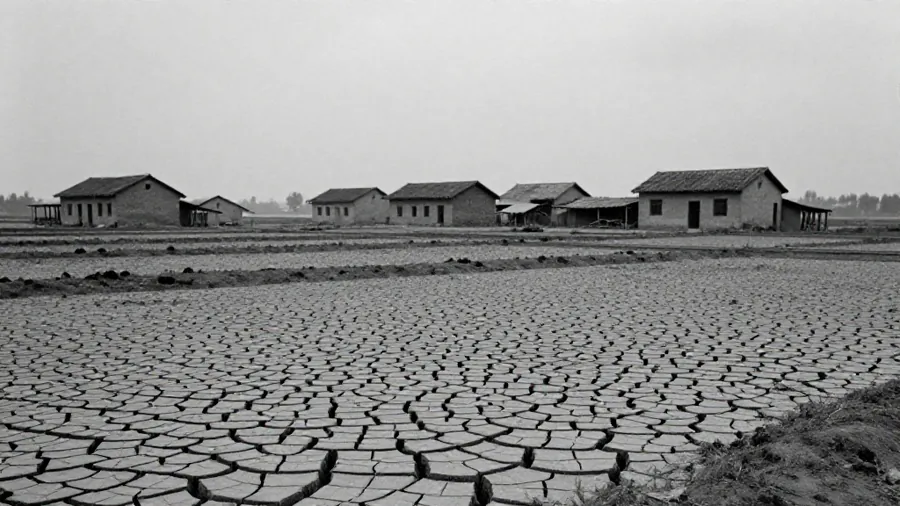
Drought: 1942–1943, persistent severe drought in Chaoshan, streams ran dry, farmland cracked, late crops failed completely
Locust plague: After the drought, locusts descended in swarms, devouring whatever crops remained
Japanese invasion: Chaoshan was occupied by Japanese forces; transportation was blocked, supplies couldn't circulate, local food stocks were seized by the Japanese military
Inflation: Prices skyrocketed; a single担 of rice could surge tenfold or even dozens of times within one month
歷史場景:1943年潮汕饑荒歲月Historical scene: the 1943 Chaoshan famine years Image AI-assisted (Z-Image-Turbo)
How My Grandfather Survived That Year
My grandfather once said —
"The bandit year, we ate everything including tree bark. Some people dug up觀音土 (white clay) from the mountains to make clay cakes to eat. It couldn't be digested — people couldn't even poop. Many died this way."
觀音土, white clay, kaolin. Eating it made you feel full, but it couldn't be digested. Long-term consumption caused intestinal blockage.
My grandfather said: the easiest to die that year were the elderly and children — elderly bodies couldn't take it, children's stomachs were weak, and one dose of clay would do them in.
Why the Chaoshan People Left Their Homeland
After this famine, large numbers of Chaoshan people chose to leave.
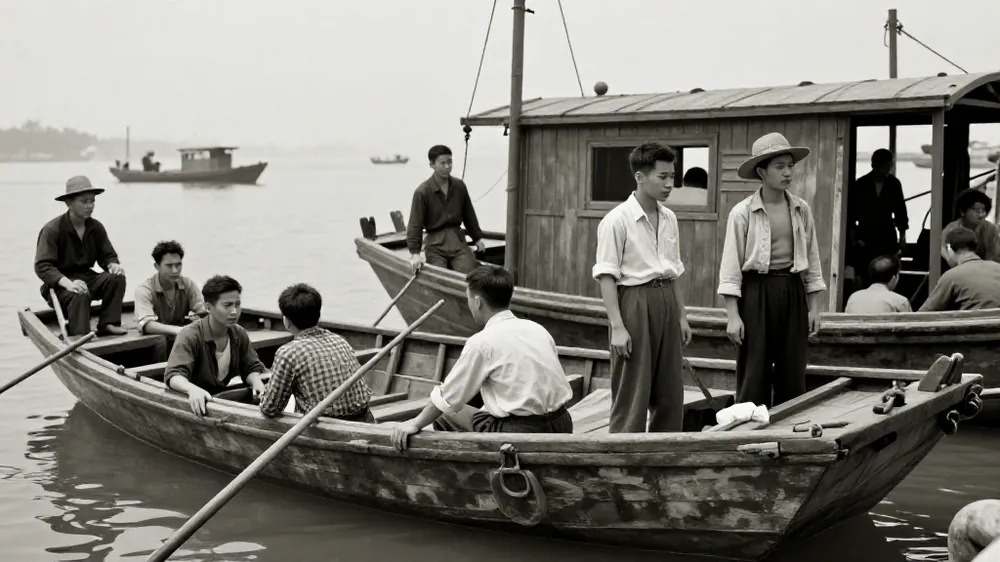
Some fled to Hong Kong, Macau, Nanyang (Southeast Asia). Others went inland to Guizhou, Yunnan, Sichuan.
The Chaoshan community we see today in Hong Kong, on Cheung Chau, in Pokfulam — many are descendants of those who fled during that era.
This is why the Chaoshan community is so prominent in Hong Kong and overseas — not by choice, but by survival.
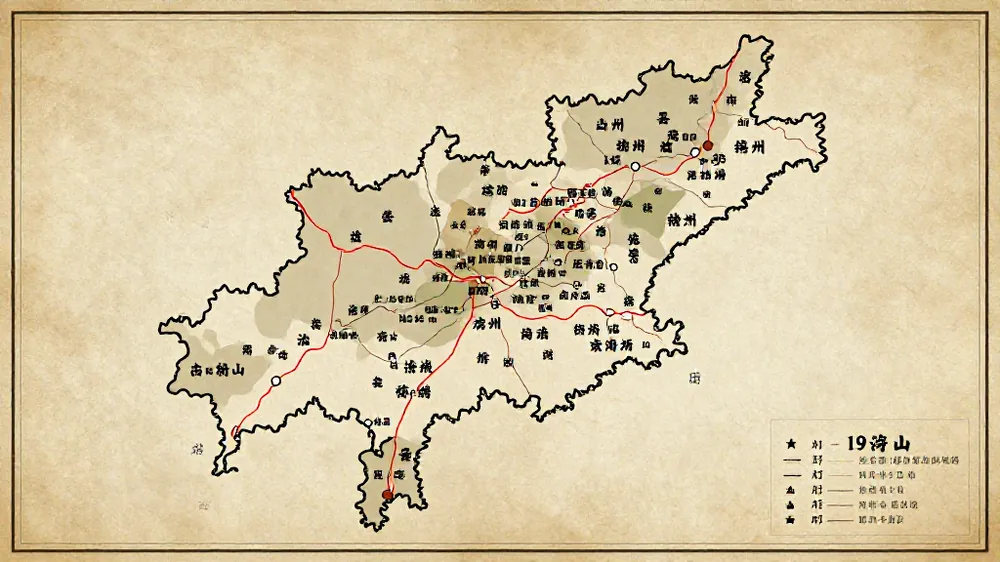
歷史地圖:1943年潮汕地區Historical map: 1943 Chaoshan region Image AI-assisted (Z-Image-Turbo)
The Forgotten Pain
This history — I only heard fragments as a child, never saw formal historical records.
Visit Shantou or Chaozhou for tourism, and you'll see arcade houses, cultural heritage sites, local snacks — but you won't find any memorial or museum dedicated to the 1943 famine.
This isn't because people want to forget. It's because the topic is too heavy, and too sensitive.
War, death, famine — these aren't topics tourism promotion will mention.
But for us descendants: if we don't know what our ancestors endured, we won't understand why the elderly always say "don't leave food in your bowl" — because they truly saw people starve to death.
歷史場景:1940年代潮汕人離鄉別井Historical scene: 1940s Chaoshan people leaving their homeland Image AI-assisted (Z-Image-Turbo)
Written at the End
I wrote this today not to reopen wounds, but to remember.
Remember what our ancestors endured, and cherish the days we can eat our fill.
A single grain of rice does not come easily.
關於作者About the Author
鄭哥,90年代大學畢業,26年橫跨電子、家電、服裝、珠寶、教育、AI算力多個行業。做過中學教師、翻譯、外贸,現在搞七善門科技和星辰算力。口頭禪:「點解唔得?」Hany, university grad from the 90s, 26 years across electronics, appliances, fashion, jewelry, education, and AI compute. Former teacher, translator, trader. Now running Qishanmen Tech and Star Compute. Catchphrase: "Why not?"