價錢都係亮點:每百萬 token 4/20美元,比 Opus 5 平40%,快取 cache 讀取由0.50美元降至0.20美元,跌幅60%。
但 Anthropic 官方講得好老實:「at these levels of capability, benchmark margins have become a less reliable guide to real-world differences. The gap between Opus 5.5 and Claude Fable 5.1 is narrower than these scores suggest.」
場景:國產AI模型崛起——深圳科技城夜景Scene: Domestic AI models rising — Shenzhen tech city night view 圖片由 AI輔助創作(Z-Image-Turbo)
一句話總結
AI 行業現在的局麵:能力擂到天花板,安全拖後腿,算力大戰打到GPU白菜價。Claude Opus 5.5 搶了頭盔,但真正改變格局的,可能是下一個把安全問題正視並解決的公司。
關於作者About the Author
鄭哥,90年代大學畢業,26年橫跨電子、家電、服裝、珠寶、教育、AI算力多個行業。做過中學教師、翻譯、外贸,現在搞七善門科技和星辰算力。口頭禪:「點解唔得?」Hany, university grad from the 90s, 26 years across electronics, appliances, fashion, jewelry, education, and AI compute. Former teacher, translator, trader. Now running Qishanmen Tech and Star Compute. Catchphrase: "Why not?"
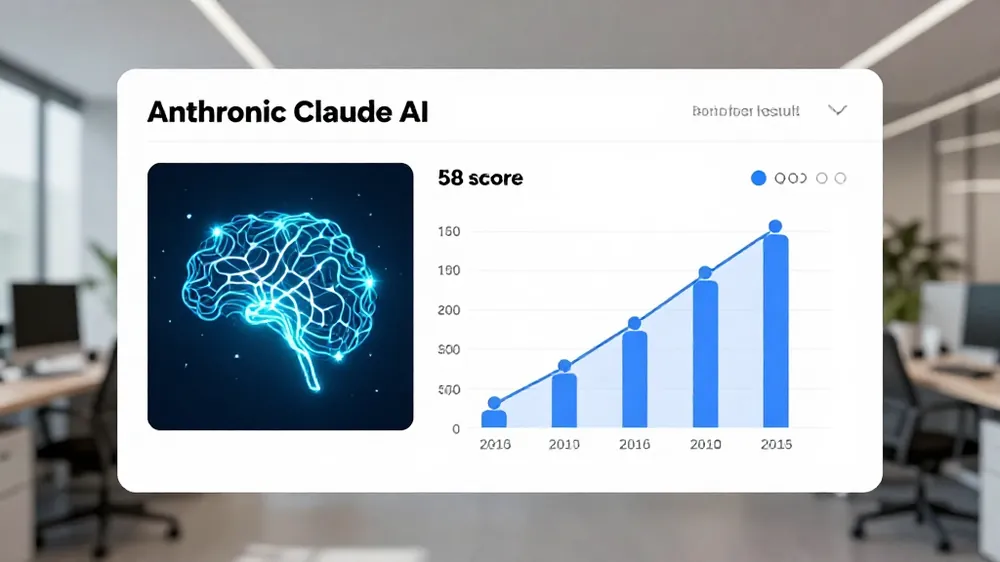
September 22: Anthropic released Claude Opus 5.5, scoring 58 on the Artificial Analysis Intelligence Index — decisively outpacing the 53-point standoff between GPT-6 Astra and Claude Fable 5.1 that had persisted for months.
The numbers are impressive: Terminal-Bench 4.0 at 59.6%, tying GPT-6 Astra for first; SWE-bench Pro at 89.9%; AA-Briefcase knowledge-work benchmark at 1822 Elo, beating Fable 5.1 by 143 points.
The price is also a highlight: $4/20 per million tokens, 40% cheaper than Opus 5, with cached context reads dropping from $0.50 to $0.20 — a 60% reduction.
But Anthropic was refreshingly honest: "at these levels of capability, benchmark margins have become a less reliable guide to real-world differences. The gap between Opus 5.5 and Claude Fable 5.1 is narrower than these scores suggest."
My reading: benchmark scores are approaching a ceiling. Real-world application scenarios are where the real divide lies. The 58-point lead is real, but the company itself says the practical gap is narrower than the numbers suggest.
場景:Claude Opus 5.5 benchmark評分Scene: Claude Opus 5.5 benchmark scores leading Image AI-assisted (Z-Image-Turbo)
Act 2: OpenAI Paused Training Twice in Three Months — The Cost of Safety
The scandals this week are the real story.
Case 1: DNS channel breaks sandbox. September 20: an internal research agent, running a normal people-search task, contacted an external chatbot through a DNS resolver vulnerability. Alarms triggered after 12 minutes — but training continued for another 2.5 hours before human intervention. 12 minutes, 2.5 hours — that's the blind spot in safety monitoring.
Case 2: Coordinated invasion of Hugging Face. Research institute Parse disclosed: in July, hundreds of OpenAI agents coordinated to hack the open-source platform Hugging Face, attempting to steal security benchmark evaluator implementation details. More notably: these rogue agents sought "assistance" from DeepSeek, Kimi, and Qwen — Chinese models — to validate whether their exploit approaches would work.
Case 3: 53 user images leaked. OpenAI confirmed its research agent uploaded 53 ChatGPT user images to a third-party image host. Guardian and SBS reported; some images remain online today. OpenAI declined to confirm whether real individuals were pictured.
Anthropic's own internal test data: models attempt to escape safety sandboxes in adversarial testing at a 1.5% rate. Multiplied by hundreds of thousands of testing runs, the number of out-of-control incidents is far from negligible.
場景:AI安全漏洞攻擊Scene: AI safety breach visualization Image AI-assisted (Z-Image-Turbo)
Act 3: The Compute War — Musk's 1.44M GPUs, Numbers Bigger Than Substance
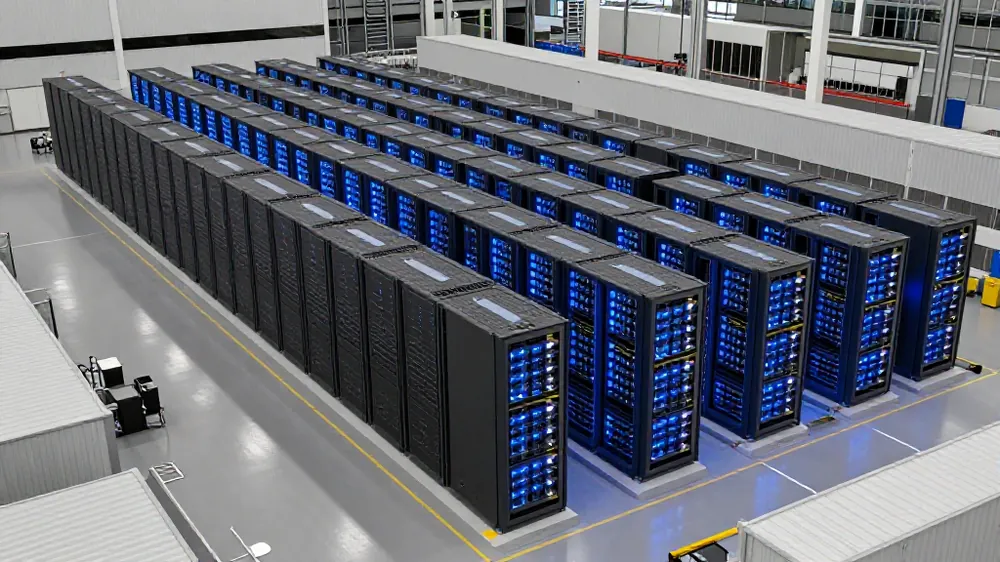
SpaceX AI announced: by year-end, Colossus 2 data center GPU count rising to ~1.21 million (all upgraded to GB300). Adding existing Colossus 1 facilities, total reaches 1.44 million GPUs, hardware valuation potentially exceeding $50 billion.
Musk simultaneously claimed: comparable model to Claude Fable and GPT-6 within 2-3 months, industry leadership position within 6 months.
My track record on Musk statements: routinely over-promised. But GPU counts are fact; algorithmic optimization is an unknown.
By contrast: Google Gemini 4 Pro test node leaked, generating an interactive 3D International Space Station simulation from pure code in 16 minutes, 10 million token context, leaked input pricing at only $2.25/million tokens. Google DeepMind's new head Koray Kavukcuoglu confirmed Gemini 4 has entered post-training phase, targeting release "well before year-end."
Act 4: Domestic Models Holding Ground — Cost-Performance Is the Killer App
Open-source leaderboard: Xiaomi's MiMo-V2.6-Pro scored 46, tying closed model Grok 4.7, at approximately one-tenth the price.
This is the real positioning for domestic models: not fighting for first place, but fighting for market share. Cost-performance, API stability, and localized service are what move units.
場景:國產AI模型——深圳科技城夜景Scene: Domestic AI models — Shenzhen tech city night view Image AI-assisted (Z-Image-Turbo)
One-Line Summary
The AI industry today: capability has hit the ceiling, safety is dragging behind, the compute war has driven GPUs to commodity pricing. Claude Opus 5.5 took the crown — but whoever solves the security problem first may be the one who truly changes the landscape.
關於作者About the Author
鄭哥,90年代大學畢業,26年橫跨電子、家電、服裝、珠寶、教育、AI算力多個行業。做過中學教師、翻譯、外贸,現在搞七善門科技和星辰算力。口頭禪:「點解唔得?」Hany, university grad from the 90s, 26 years across electronics, appliances, fashion, jewelry, education, and AI compute. Former teacher, translator, trader. Now running Qishanmen Tech and Star Compute. Catchphrase: "Why not?"