【郑哥点评】
内存涨5到7倍,缺货讲到2028年。呢轮唔系普通周期,而系AI将存储需求成个结构改写咗。做算力生意嘅人,睇住唔系价格,而系边个有货、边个锁得住长约。
2026年9月17日,芯片存储日报摆喺我面前,七条消息,条条都系钱。
英特尔CEO陈立武预警:内存价格已经涨到原来嘅5倍、6倍甚至7倍,好多企业攞唔到足够内存,被迫延后扩产,电力同冷却仲会成为下一阶段瓶颈,供需失衡预计延续到2028年。
圖片由 AI輔助創作(Z-Image-Turbo)
点解会涨成咁?
原因好直接:AI需求推升HBM用量,通用DRAM供应压力急剧加大,全行业产能不足。以前内存系电脑配件,而家内存系AI基础设施,地位完全唔同。
美光啱啱展示全球首款512GB DDR5服务器内存模组,3D垂直堆叠,速率最高9200MT/s,功耗降六成,单台24槽服务器最高做到12TB。AMD同Intel同步验证,2027下半年量产。技术越嚟越劲,但量产永远追唔上需求。
圖片由 AI輔助創作(Z-Image-Turbo)
长约时代嚟喇,中小厂更难抢货
三星考虑将DRAM合约由季度改成3到5年长约,仲深化同AMD合作,做MI455X嘅HBM4主力供应商。三星而家HBM市占22%,目标2027年之后追近SK海力士。
十铨总经理亦话,第四季存储仲会涨,DRAM缺口好明显,原厂产能俾长约包晒,2027上半年缺货最严重。翻译成人话:大厂锁死产能,中小厂商以后更加难抢货。
我做贸易廿几年,最熟呢种玩法。以前电子产品缺货,大代理一样系先照顾大客。内存而家只不过将呢套搬到AI时代,金额大咗十倍,周期长咗三年。
圖片由 AI輔助創作(Z-Image-Turbo)
国产追紧,但远水救唔到近火
长鑫上海新厂9月11日启动设备招标,长期规划月产60万片,2024到2028年每年加7到8万片,2028年合计75万片一个月,全球市占由2024年8%升到2027年接近20%。
方向啱,但时间差系现实。2027到2028年先系量产高峰,而家到2028年呢段空窗,价格只会继续企喺高位。呢个同我上一篇讲国产芯片三道坎系同一个结论:软件、信任、供应链,样样都要时间。
韩国半导体9月头10日出口164.8亿美元,同比升270%,占出口总额47%。数字好夸张,但正正说明AI超级周期下面,存储需求井喷唔系讲笑。
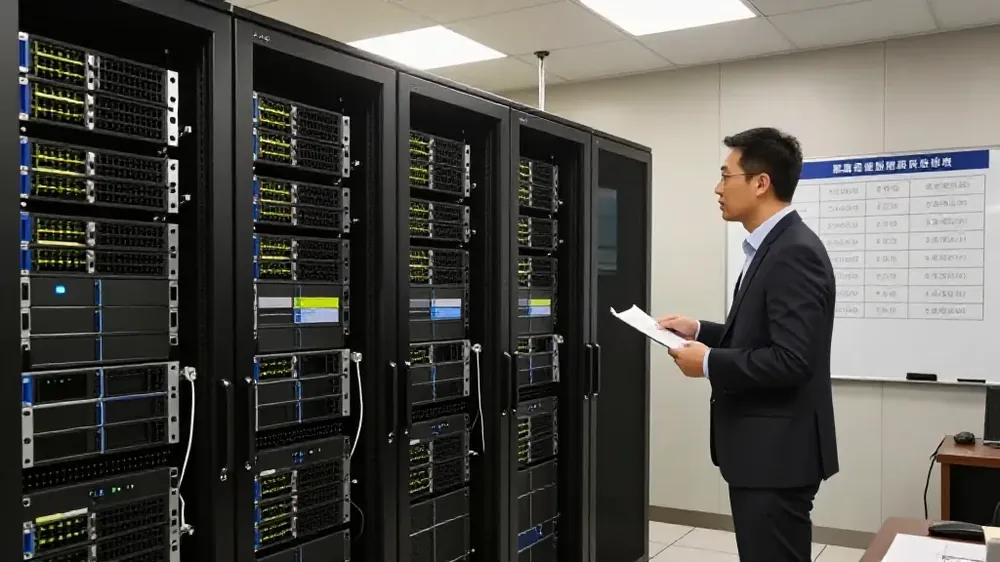
圖片由 AI輔助創作(Z-Image-Turbo)
对我哋做算力嘅人,意味住咩?
第一,HBM价格直接决定服务器成本。内存涨5到7倍,服务器唔可能唔加价。B300卖1450万嘅故事会继续,唔系炒作,系成本顶住。
第二,租赁比买断更吃香。一次性1450万唔系人人畀得起,月租19万加排队,反而打开中小客户道门。未来两年,算力租赁系最大机会,呢个判断而家更加 solid。
第三,有货源同长约先系护城河。技术人人识讲,但边个攞到货、锁到价,先系真竞争力。我哋呢代做贸易出身嘅人,强项正正喺呢度:识人、识货、识时机。
三星S26因为存储成本加汇率,韩国零售价上调14.96万韩元,10月1日执行。终端都开始转嫁成本,成条链已经冇人可以独善其身。
缺货唔系短期事,系结构性机会。边个喺高位守得住供应,边个就喺下一轮吃到最大块。你呢,手上有货定系仲喺度等减价?
资料来源:芯片存储日报2026-09-17,综合财富号、Micron投资者关系、CFM闪存市场、TradingKey等公开报道,本文为郑哥博客点评。
[Hany's take]
Memory is up five to seven times and the shortage is being talked about into 2028. This is not an ordinary cycle — AI has rewritten the whole structure of storage demand. For anyone in the compute business, what you watch is not the price. It is who has stock and who can lock in a long-term contract.
On 17 September 2026 the chip and storage daily landed in front of me: seven items, every one of them about money.
Intel CEO Chen Liwu issued a warning: memory prices have already risen to five, six, even seven times the original level; many companies cannot get enough memory and are being forced to delay expansion; power and cooling will become the next bottleneck; and the supply-demand imbalance is expected to run to 2028.
Why has it gone up this much?
The reason is straightforward: AI demand is pushing up HBM consumption, pressure on general-purpose DRAM supply is rising sharply, and the whole industry is short of capacity. Memory used to be a computer accessory. Now memory is AI infrastructure. The status is completely different.
Micron has just shown the world's first 512GB DDR5 server memory module, using 3D vertical stacking, at speeds up to 9200MT/s, with power consumption down by 60 per cent, and up to 12TB in a single 24-slot server. AMD and Intel are validating it in parallel, with mass production in the second half of 2027. The technology keeps getting better, but mass production never catches up with demand.
The era of long contracts is here, and smaller players will struggle harder for stock
Samsung is considering changing DRAM contracts from quarterly to three-to-five-year agreements, and is deepening cooperation with AMD as the main HBM4 supplier for MI455X. Samsung currently holds 22 per cent of the HBM market and aims to close in on SK Hynix after 2027.
Team Group's general manager also said storage will keep rising in the fourth quarter, the DRAM gap is very clear, and original manufacturers' capacity has been fully wrapped up by long contracts, with the worst shortage in the first half of 2027. In plain language: the big players have locked down capacity, and it will only get harder for small and medium companies to grab stock.
I have done trade for more than twenty years and know this game best. When electronics were short in the past, big distributors also looked after big customers first. Memory has simply moved that playbook into the AI era, with numbers ten times larger and cycles three years longer.
Domestic players are catching up, but distant water cannot put out a nearby fire
ChangXin's new Shanghai plant began equipment tendering on 11 September. The long-term plan is 600,000 wafers a month, adding 70,000 to 80,000 wafers a year from 2024 to 2028, reaching 750,000 wafers a month in 2028, with global market share rising from 8 per cent in 2024 to close to 20 per cent in 2027.
The direction is right, but the timing gap is real. The mass production peak only comes in 2027 and 2028, and through the empty window from now to 2028, prices will only stay high. It is the same conclusion as my last piece on the three hurdles for domestic chips: software, trust and supply chain — everything takes time.
South Korea's semiconductor exports hit 16.48 billion US dollars in the first ten days of September, up 270 per cent year on year, accounting for 47 per cent of total exports. The numbers are wild, but they show exactly what a storage demand surge under the AI supercycle looks like. This is not a joke.
What does it mean for those of us in compute?
First, HBM prices directly determine server costs. With memory up five to seven times, servers cannot avoid raising prices. The story of B300s selling for 14.5 million will continue — not hype, but cost pushing from underneath.
Second, renting beats buying outright. Not everyone can put down 14.5 million at once, while 190,000 a month plus a queue opens the door for small and medium customers. Over the next two years, compute rental is the biggest opportunity, and I am even more solid on that judgement now.
Third, having supply and long contracts is the real moat. Everyone can talk technology, but whoever can get the goods and lock the price is the one with real competitiveness. My generation came out of trade, and our strength is exactly here: knowing people, knowing goods, knowing timing.
The Samsung S26 will raise its Korean retail price by 149,600 won from 1 October, because of storage costs and exchange rates. Even the end product is passing costs on. No one along the whole chain can stay untouched.
A shortage is not a short-term matter. It is a structural opportunity. Whoever can hold supply at a high price point will eat the biggest piece in the next round. So — do you have stock in hand, or are you still waiting for a price cut?
Sources: chip and storage daily, 2026-09-17, drawing on Caifu Hao, Micron investor relations, CFM flash memory market, TradingKey and other public reports. This is a Hany blog review.