
2006年,我仲做紧贸易,正正规规嗰种。
有一日,一个温州女人上嚟我公司。佢啱啱从国外返嚟广州,手头上揸住一张单——电子烟,一年订单20几个亿。
佢同我讲,利润做到20%,即係一年赚4000万左右。
我听到,心都离一离。20几个亿嘅单,边间贸易公司、边间工厂接得住?一间厂做,做成年都做唔完。
但佢过嚟揾我,唔係落单俾我。
佢话:「老板,你帮我喺广东物色10间工厂。我要一间一间去考察,睇佢哋生产标准、合格证、场地、合唔合规。」
我话:「呢个简单,我做贸易咁多年,大把工厂。」
我帮佢揾咗10间。佢第一步,喺网上筛,边啲合格、边啲唔合格,留低四五间规模大啲嘅。
然后佢话:「老板,我哋去睇厂。」
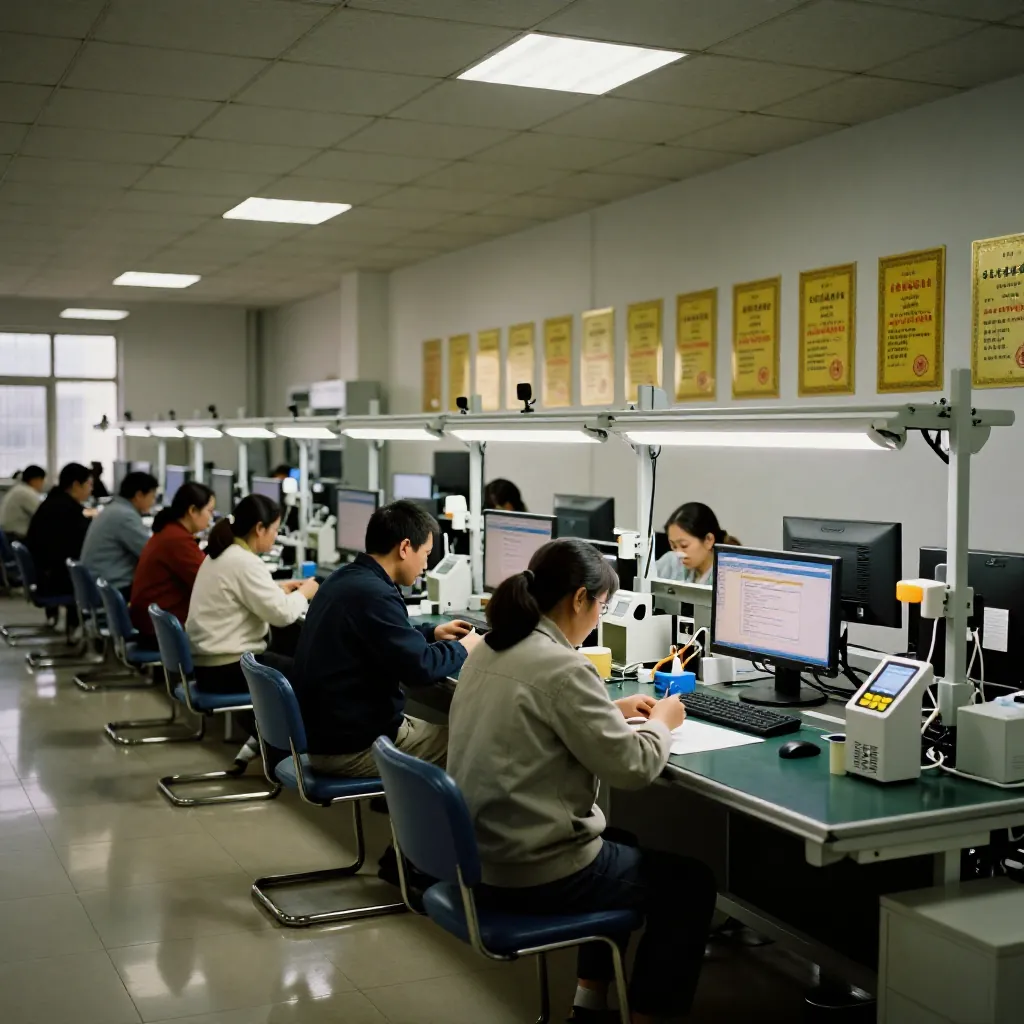
我陪佢去。佢去到工厂,一句都唔倾订单,淨係睇。睇生产、睇设备、睇管理,睇边间符合佢要求。
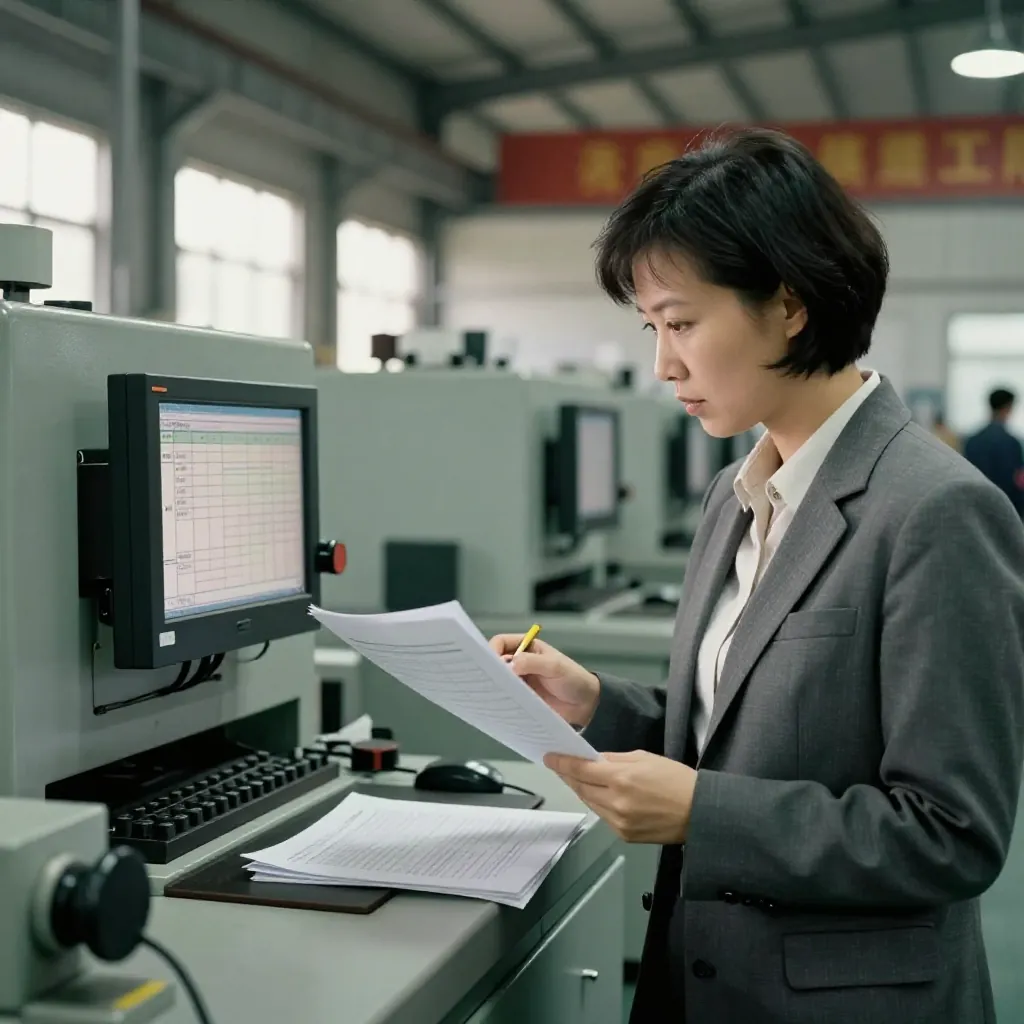
睇完,佢同我讲:「呢两间,我睇中。你帮我倾,全部买落嚟要几钱?」
我呆咗:「你要买起间厂?你要开工厂?」
佢话:「唔係。你帮我倾到最低价。」
我试探同几间厂老板讲,佢哋都好感兴趣,报咗价——1000几万到2000万左右,连设备连埋。

最后佢揀咗一间,话:「呢间,直接买。但原班人马要留低。」
我话:「冇问题。」
呢单嘢,我赚咗一个点。佢俾我嘅。
后来我问佢:「你点解要买起间厂?」
佢话:「我落咁大张单俾一间厂,我不如将间厂买起。买咗之后,我安排我啲人入去,淨係管财务同质量。其他嘢,照佢原班人马去做。一年落嚟,我呢张单就已经够。」
我听完,心入面得两个字:高手。
佢买起间厂之后,成间厂忙到飞起,利益好唔错。
然后过咗一阵,佢带咗两三波老乡过嚟睇厂。佢话:「你睇下,我呢间厂做紧订单,生意几好,呢个嘢有得做。」
佢唔係净係自己做——佢将呢盘棋扩展出去,托俾一个香港人。佢老乡介绍嘅。
最后,4000万卖出去。
我听到,成个人弹起。
佢买返嚟2000万左右,卖出去4000万。订单赚咗钱,工厂又赚咗钱。前后一两年,赚咗两倍。
嗰阵我先明——我格局太细。
我成日纠结喺一个地方,睇住眼前嗰张单、嗰个客、嗰笔数。但呢个温州女人,佢站得高,睇得远。佢唔係为做生意而做生意,佢係为盘棋而做生意。
佢买厂、做单、卖厂,一两年时间,赚咗人哋十年都赚唔到嘅钱。
我成日同人讲呢个故事。
赚钱唔难,难嘅係你睇得几远、站得几高。
呢个温州女人,係我26年入面,见过最犀利嘅生意人之一。
In 2006 I was still trading — the proper, by-the-book kind.
One day a woman from Wenzhou came to my office. She had just come back to Guangzhou from abroad, and she was holding one order — e-cigarettes, over two billion a year.
She told me the margin was 20%, meaning about 40 million a year in profit.
When I heard that, my heart skipped. An order worth over two billion — which trading company, which factory, could take it on? One factory working a whole year could not finish it.
But she had not come to me to place the order.
She said: "Boss, help me find ten factories in Guangdong. I want to inspect them one by one — their production standards, their certificates, their premises, whether they are compliant."
I said: "That's easy. I've been in trade for years. I know plenty of factories."
I found ten for her. Her first step was to screen them online — which ones qualified, which did not — and she kept four or five of the bigger ones.
Then she said: "Boss, let's go look at the factories."
I went with her. At the factory she did not discuss the order at all. She just looked. Looked at production, at equipment, at management, at which one met her requirements.
After the tour she said to me: "These two — I like them. Negotiate for me. How much to buy them outright?"
I was stunned: "You want to buy a factory? You want to run a factory?"
She said: "No. Get me the lowest price."
I floated it with the owners of a few factories. They were all very interested and gave me quotes — somewhere between ten-odd million and twenty million, equipment included.
In the end she picked one and said: "This one. Buy it outright. But the existing team has to stay."
I said: "No problem."
I earned one point on that deal. She gave it to me.
Later I asked her: "Why did you want to buy the factory?"
She said: "If I hand an order this big to one factory, I might as well buy the factory. Once it's mine, I put my own people in — only finance and quality control. Everything else runs with the same original team. After a year, this one order of mine is enough."
When I heard that, two words were all I had in my head: a master.
After she bought the factory, the whole place was rushed off its feet and the returns were very good.
Then a while later she brought two or three waves of people from her hometown over to see the factory. She told them: "Look, my factory is running orders, business is good, there is money in this."
She did not just keep it to herself — she expanded the whole chess game and handed it to a Hong Kong man. Introduced by someone from her hometown.
In the end, she sold it for 40 million.
When I heard that, I nearly jumped out of my chair.
She bought it for around 20 million and sold it for 40 million. The order made money, and the factory made money. In a year or two, she had doubled it.
That was when I understood — my thinking was too small.
I was always stuck on one spot, staring at the order in front of me, the customer, the numbers. But this Wenzhou woman stood higher and looked further. She was not doing business for the sake of doing business — she was playing a whole board.
She bought a factory, ran the order, sold the factory. In a year or two she made money other people could not make in ten years.
I tell this story often.
Making money is not hard. What is hard is how far you can see and how high you stand.
This Wenzhou woman is one of the sharpest businesspeople I have met in 26 years.